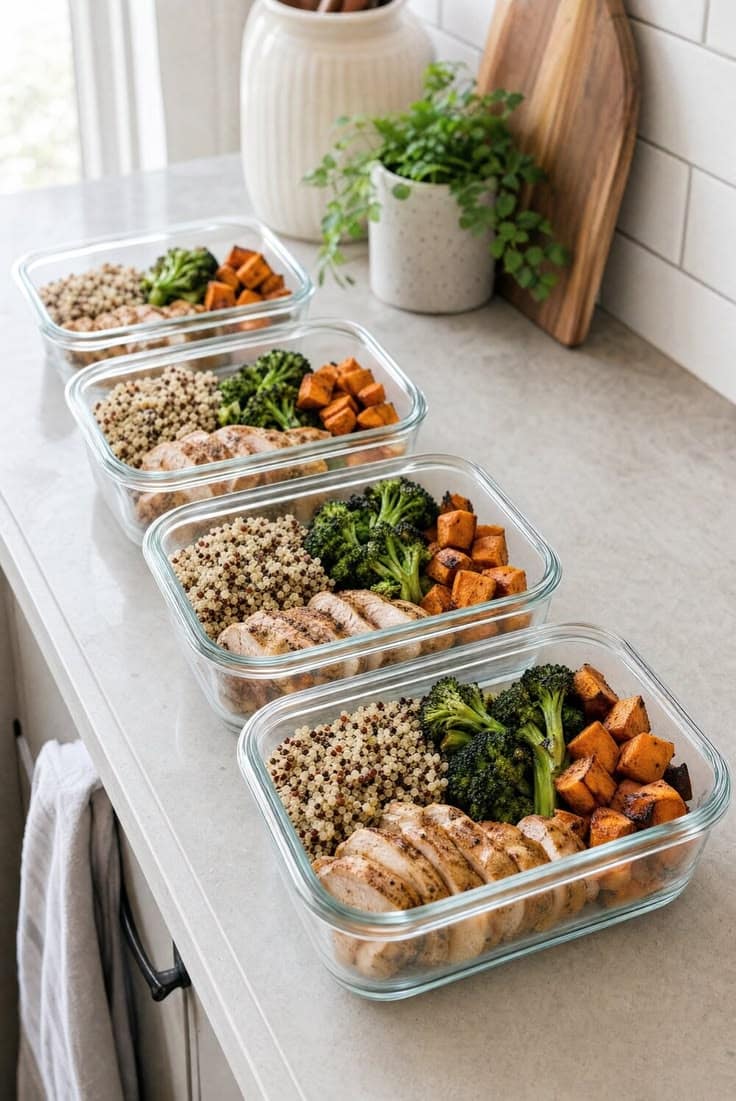
Meal Plan for Women Over 50: 7-Day High-Protein, High-Nutrient Guide
The goal for women over 50 is not eating less — it is eating more strategically. This 7-day plan targets the highest-priority nutritional needs of this life stage: protein for muscle, calcium and vitamin D for bone, and omega-3 for cardiovascular protection.
01Target: 1.2 to 1.6 g/kg protein per day — distributed as 30 to 35 g per meal across 3 meals
02Bone priority nutrients in every day: 1,000+ mg calcium, vitamin D (supplement), vitamin K2
03Omega-3 from fatty fish 3 times per week — cardiovascular and anti-inflammatory
04The plan is 1,600 to 1,800 calories — nutrient-dense, not restrictive
05Breakfast is the highest-leverage meal: protein at breakfast sets satiety and protein distribution for the day
What This Plan Is Designed to Address
Most meal plans for "older women" are either condescendingly simple or clinically sterile. This plan is built around the three most impactful nutritional interventions for women over 50, based on current evidence: protein for muscle preservation, calcium and vitamin D for bone health, and omega-3 and plant polyphenols for cardiovascular and metabolic protection.
Daily nutritional targets this meal plan is designed to hit
Nutrient
Daily target
Why it matters at 50+
Primary food sources in this plan
Protein
90 to 110 g (for 65 to 70 kg woman)
Prevents sarcopenia; supports metabolism and bone matrix
Kefir (250ml) + mixed berries — 8g protein + probiotics
The Supplement Strategy for This Plan
Daily supplements to complement this meal plan for women over 50
Vitamin D3: 1,500 to 2,000 IU per day with the fattiest meal of the day (lunch or dinner) for better absorption
Vitamin K2 (MK-7): 90 to 180 mcg per day — directs calcium from this plan to bones rather than arteries; take with vitamin D
Magnesium glycinate: 200 to 400 mg elemental magnesium in the evening — for sleep, muscle function, and bone support
Omega-3 (if fish is not eaten 3x per week): 2 to 3 g EPA+DHA per day with food
B12: 1,000 mcg sublingual (under the tongue) 3 times per week if plant protein is significant or if antacids are used
Calcium supplement: only if daily dietary calcium from this plan does not reach 1,000 mg — check food logs first before supplementing
Real stories, coming soon
Real people, real results
We're putting together real stories from people who use ZavoFit's guidance in everyday life. Coming soon.
Questions, answered.
How many calories should a woman over 50 eat per day?
The general range is 1,600 to 2,000 calories per day, depending on activity level, height, and weight. Sedentary women typically need 1,600 to 1,800 calories; active women 1,800 to 2,100. The key shift after 50 is that calories decrease slightly while nutrient needs stay constant or increase — meaning the quality of each calorie matters more. Extreme restriction (below 1,400 calories) is counterproductive: it makes hitting protein and micronutrient targets nearly impossible.
How much protein should be in a meal plan for women over 50?
Target 1.2 to 1.6 grams per kilogram of body weight per day. For a 65 kg woman, that is 78 to 104 grams of protein daily — distributed across 3 meals of 30 to 35 grams each. This higher target than the standard RDA is necessary because anabolic resistance (the reduced efficiency of using protein for muscle building) increases after 50. Spreading protein across meals — not concentrating it at dinner — is essential.
What should women over 50 eat every day for bone health?
For bone health specifically: 1,000 to 1,200 mg of calcium (from Greek yogurt, sardines with bones, fortified milk, dark leafy greens), 1,500 to 2,000 IU of vitamin D (supplement for most people), vitamin K2 (fermented foods, some cheeses, supplement), and adequate protein (collagen and other bone matrix proteins require amino acids). Calcium alone without vitamin D and K2 is significantly less effective.
Should women over 50 eat breakfast?
Yes, and specifically a protein-rich breakfast. Skipping breakfast makes hitting daily protein targets very difficult and concentrates calories in the back half of the day, when metabolism naturally slows. The most effective change many women over 50 can make is transforming breakfast from carbohydrate-dominant (toast, cereal, fruit) to protein-dominant (eggs, Greek yogurt, cottage cheese, smoked salmon). This shifts the entire day's energy and satiety profile.
Is intermittent fasting good for women over 50?
It can work, but with a critical caveat: a compressed eating window makes it harder to hit protein targets. If fasting from 8 PM to 12 PM (16:8), all daily protein must fit into an 8-hour window. This requires protein at every meal within that window — if one meal is low protein, there is no time to compensate. Many women over 50 do better with a slightly longer window (12:12 or 14:10) that allows a protein-rich breakfast.
How do you reduce bloating in a high-protein diet for women over 50?
Increase protein gradually (add 10 to 15 g per week rather than doubling overnight); prioritize lean, easily digested proteins (fish, eggs, Greek yogurt) over heavily processed protein sources; chew thoroughly and eat slowly; ensure adequate fiber (25 to 30 g per day) and hydration to support digestion; and if using protein powder, whey isolate is generally better tolerated than concentrate (less lactose) and plant blends can cause more gas in some people.
Iron deficiency is the most prevalent nutritional deficiency worldwide. This data page compiles the key statistics, demographic breakdowns, and research findings that journalists and health writers cite most frequently.
GLP-1 receptor agonists are among the fastest-growing medication categories. This data page compiles the clinical research on their nutritional implications — muscle loss rates, protein requirements, food interactions — for journalists, clinicians, and health writers.