
Em resumo
- Protein needs increase to 1.2 to 1.6 g/kg after 50 — the standard 0.8 g/kg is insufficient for muscle preservation
- Vitamin D and B12 absorption decline with age — supplementation is usually necessary, not optional
- Caloric needs decrease but micronutrient needs stay the same or increase — nutrient density per calorie becomes critical
- Muscle loss (sarcopenia) accelerates after 50 and drives most metabolic decline — protein + resistance exercise is the intervention
- Post-menopause, iron needs actually decrease for women — the focus shifts from iron to calcium, vitamin D, and protein
What Changes Metabolically After 50 — and Why Nutrition Must Shift
The nutritional needs of a 52-year-old are meaningfully different from those of a 32-year-old — not slightly different. Several biological changes happen simultaneously after midlife that require deliberate dietary adjustment. The mistake is assuming the same diet that worked at 35 will serve you as well at 55.
Key metabolic changes after 50 and their nutritional implications
| Change | What happens | Nutritional response needed |
|---|---|---|
| Anabolic resistance | Muscles become less responsive to protein — you need more to get the same muscle protein synthesis | Increase protein to 1.2 to 1.6 g/kg; 30 to 40 g per meal minimum |
| Vitamin D synthesis decline | Skin produces less vitamin D3 from UV exposure; kidneys convert less to active form | Supplementation usually necessary (1,000 to 4,000 IU/day depending on baseline) |
| Stomach acid reduction | Less HCl impairs absorption of B12, iron, calcium, and zinc | Prioritize food forms that need less acid; consider B12 supplementation |
| Bone remodeling imbalance | Resorption (breakdown) outpaces formation — accelerated after menopause | Calcium + vitamin D + vitamin K2 + weight-bearing exercise |
| Metabolic rate decline | Muscle loss reduces resting calorie burn; 1 to 2% per decade | Lower total calories but higher nutrient density per calorie |
| Estrogen decline (women) | Loss of estrogen affects muscle, bone, fat distribution, and cardiovascular risk | Protein, calcium, omega-3, and resistance exercise become more critical |
Protein: The Highest-Priority Nutrient After 50
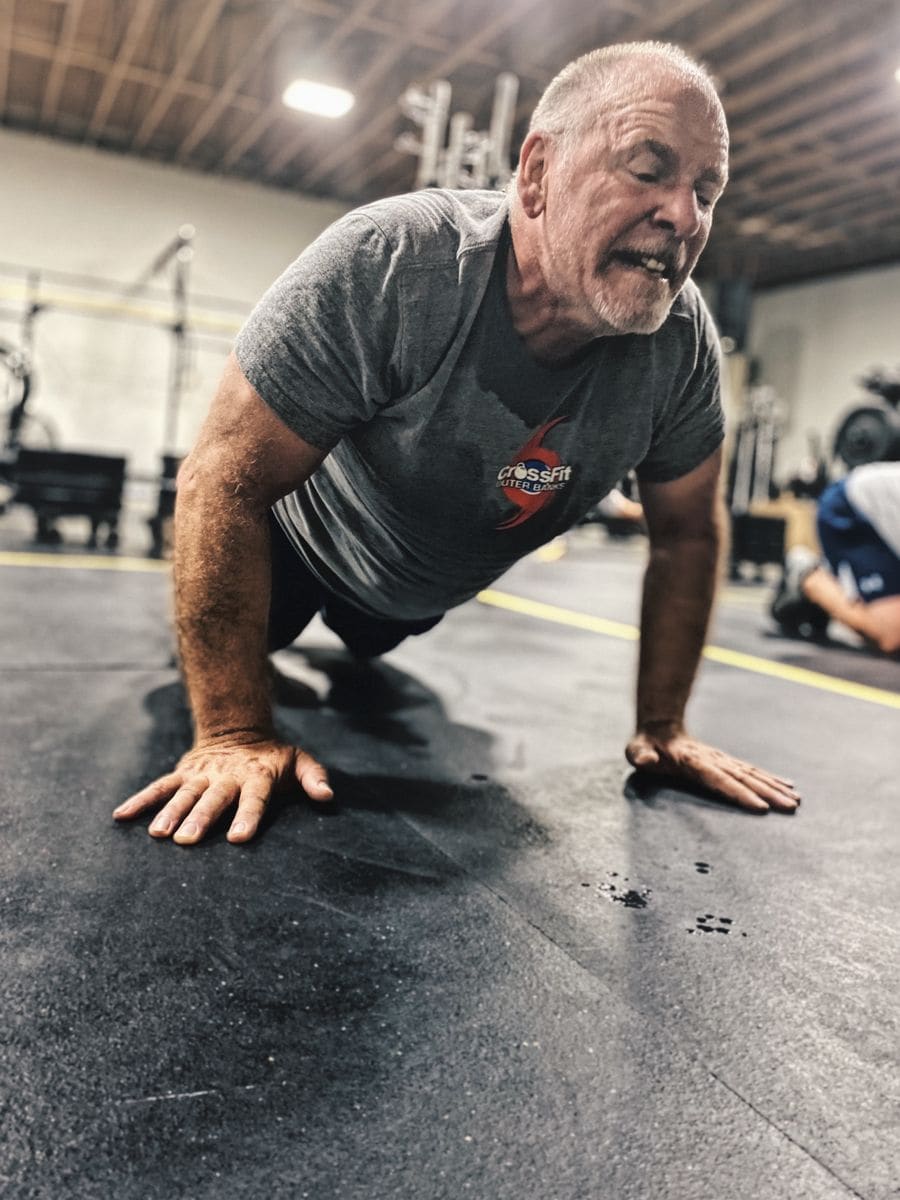
Of all the nutritional shifts needed after 50, increasing protein is the single most impactful change for the largest number of people. Sarcopenia — the age-related loss of muscle mass — begins in the 30s but accelerates meaningfully after 50. Without adequate protein and resistance exercise, adults over 50 can lose 3 to 8 percent of their muscle mass per decade. This loss is not cosmetic — it directly reduces metabolism, balance, functional independence, and quality of life.
Best protein sources for adults over 50: ranked by leucine content and practicality
Fatty fish (salmon, sardines, mackerel)
Best dual-purpose food after 50: high-quality complete protein (22 to 25 g per 100g) combined with vitamin D and omega-3 — three of the most critical nutrients for this life stage in one food. Aim for 2 to 3 servings per week.
Whole eggs
Complete amino acid profile with the highest biological value of common whole foods. The yolk contains vitamin D, choline, and B12 — important for brain and nerve function. Do not discard the yolk: it contains the majority of the egg's micronutrients.
Greek yogurt and cottage cheese
High protein (17 to 25 g per 200g serving) plus calcium — addressing two priorities simultaneously. The casein protein in cottage cheese is slow-digesting, making it an excellent pre-sleep protein source for overnight muscle maintenance.
Lentils and beans
Provide plant-based protein (15 to 18 g per cooked cup) plus fiber, iron, and potassium. Less leucine than animal proteins, but important for those reducing meat. Combine with a small amount of animal protein or leucine supplement to compensate.