
Editorial Team

ZavoFit Team

"Writing about everyday health, nutrition, movement and better habits."

Nutrition basicsTrainingEveryday routine

Articles by ZavoFit Team

Medical context representing the shift in iron needs after menopauseScience
Science

Iron After Menopause: What Changes and What You Actually Need

Menopause eliminates monthly blood loss, which means post-menopausal women need significantly less iron than they did in their reproductive years. But the story does not end there β€” inflammatory conditions, medications, and absorption changes make iron management more nuanced.

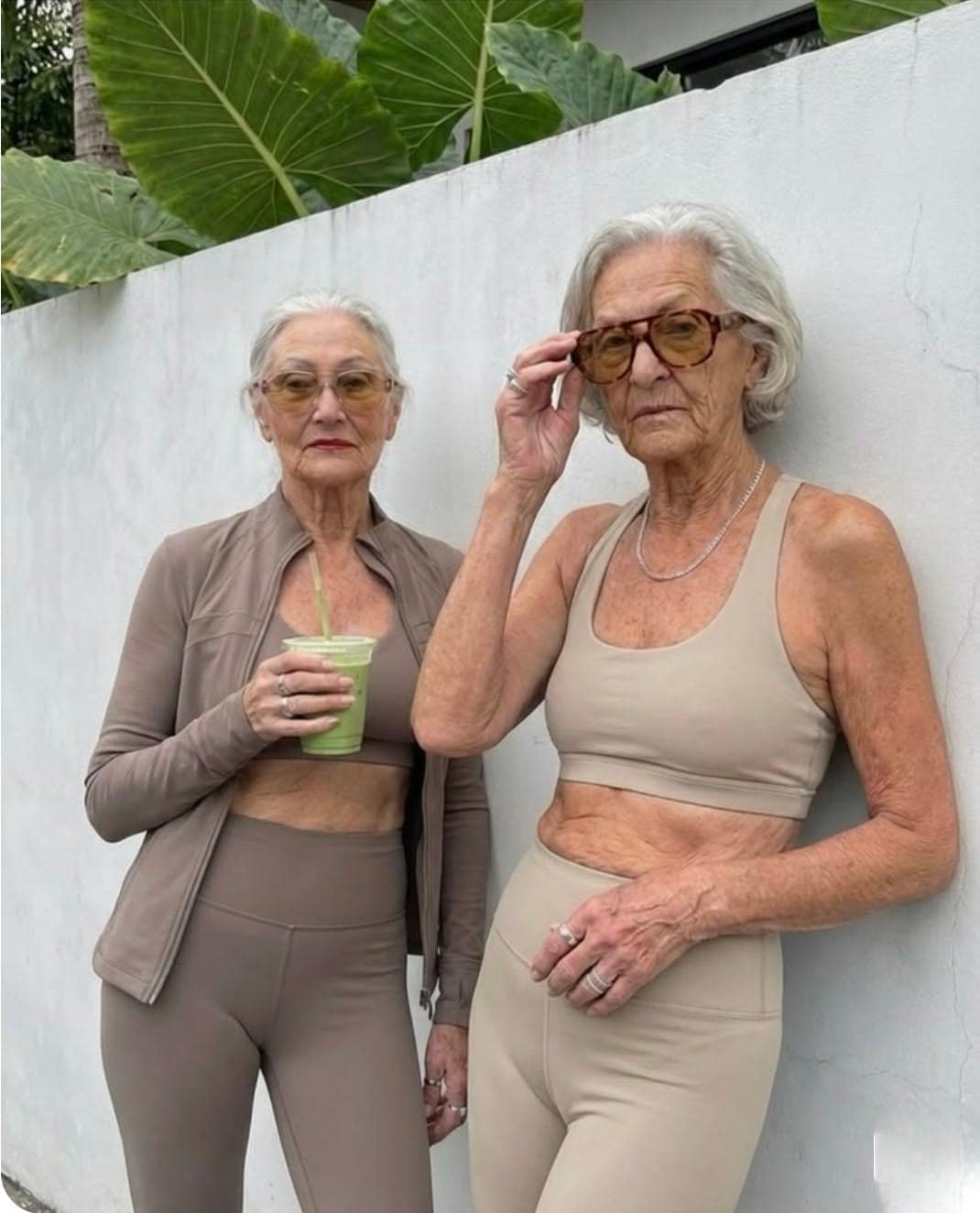
Two older women in workout clothes, representing staying active against age-related muscle lossScience
Science

Sarcopenia Explained: What It Is, Why It Happens, and How to Stop It

Sarcopenia β€” the progressive loss of muscle mass with age β€” is not inevitable. It is a physiological process driven by specific, addressable factors: protein insufficiency, inactivity, anabolic hormone decline, and inflammation. Understanding the mechanism makes prevention straightforward.

Several magnesium supplement capsules of different colors arranged side by side on a white surface, representing multiple forms in a complexScience
Science

Magnesium Complex vs. Single-Form: Which Is the Better Supplement?

A magnesium complex combines two or more forms of magnesium in a single capsule. The promise is broader coverage. The risk is that many complexes rely on cheap, poorly absorbed oxide to inflate the milligram count while delivering far less elemental magnesium than the label suggests.

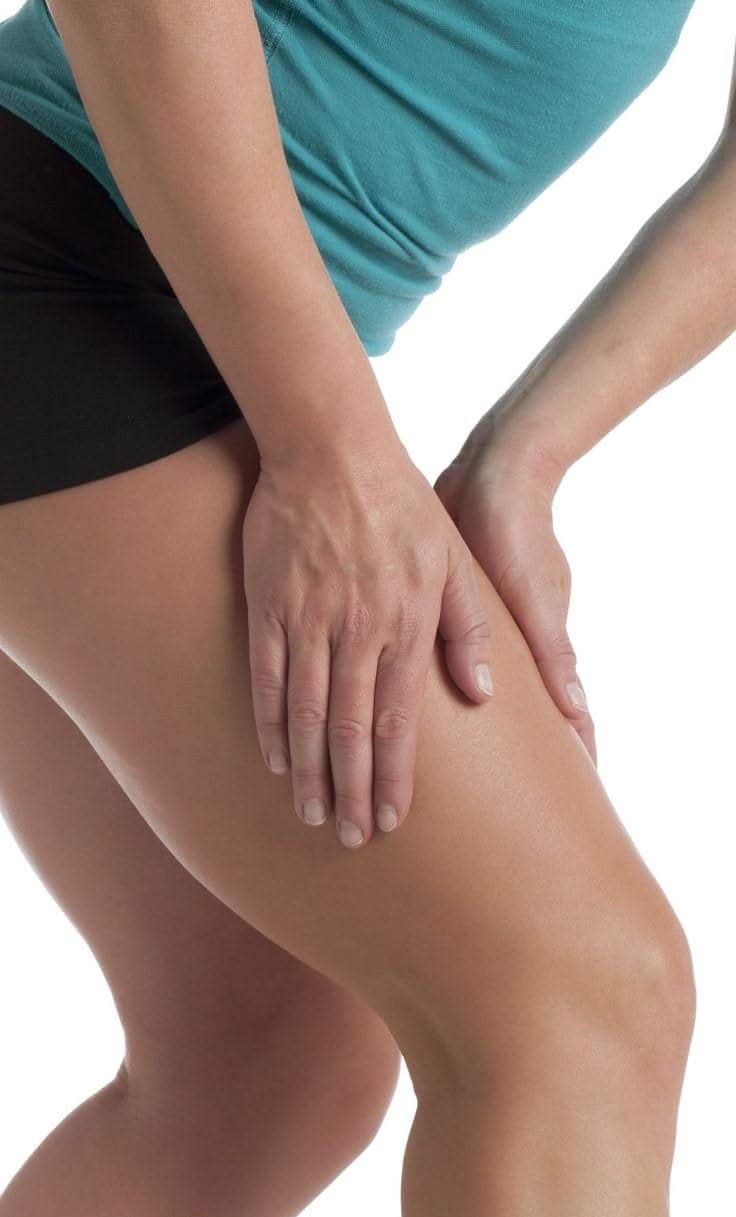
Woman sitting on the floor gripping her calf muscle in pain from a crampScience
Science

Why Do I Get Muscle Cramps? Common Causes and What May Help

Muscle cramps can strike during a workout, in the middle of the night, or seemingly out of nowhere. Dehydration, overuse, nerve compression, and low minerals are among the most common triggers. Here is what the evidence says about each cause and how to address it.
Woman in her 50s active and healthy representing evidence-based nutrition during menopauseHealthy Habits
Healthy Habits

Menopause and Nutrition: What Your Body Actually Needs During This Transition

Menopause is not a deficiency to treat β€” it is a metabolic transition that changes how the body handles protein, fat, bone, sleep, and blood sugar. The nutritional adjustments that help are specific, evidence-based, and largely different from generic "women over 50" advice. This guide covers what actually changes and what to do about it.

Older adults exercising showing creatine benefits for muscle and brain health beyond the gymScience
Science

Creatine Is Not Just for Gym Bros: The Evidence for Brain, Muscle, and Aging

Creatine is the most well-researched performance supplement in existence. But the gym-bro framing has buried the more interesting story: creatine improves cognitive function under stress, slows sarcopenia in adults over 50, and shows promising effects in depression and concussion recovery. This is what the research actually says for the other 90% of people who have no interest in powerlifting.

Berberine capsules next to a blood glucose monitor representing research on blood sugar managementScience
Science

Berberine for Blood Sugar: What the Research Actually Shows

Berberine went viral as "natural metformin." The research is real β€” multiple controlled trials show meaningful blood sugar reductions. But the comparison to metformin is more nuanced than most articles admit. Here is what the evidence actually says.