Bone Health After 50: What You Actually Need to Eat (Beyond Calcium)
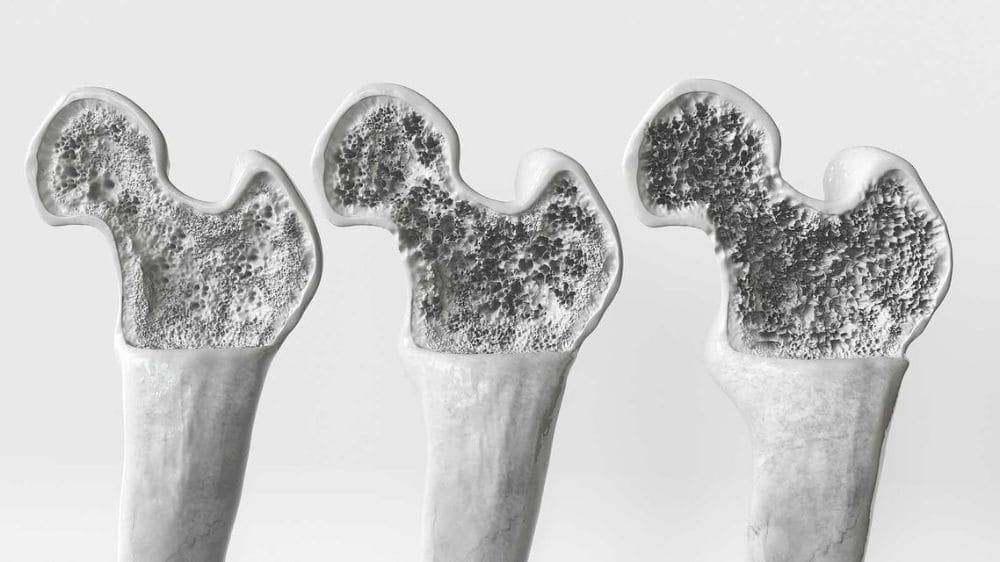
Osteoporosis affects 1 in 2 women and 1 in 4 men over 50. But bone health after 50 requires more than a calcium supplement. Vitamin D, magnesium, vitamin K2, protein, and zinc all play specific roles — and most people are deficient in at least two.
011 in 2 women and 1 in 4 men over 50 will have an osteoporosis-related fracture in their lifetime
02Calcium absorption drops sharply after 50 — vitamin D3 and K2 are essential cofactors for effective calcium use
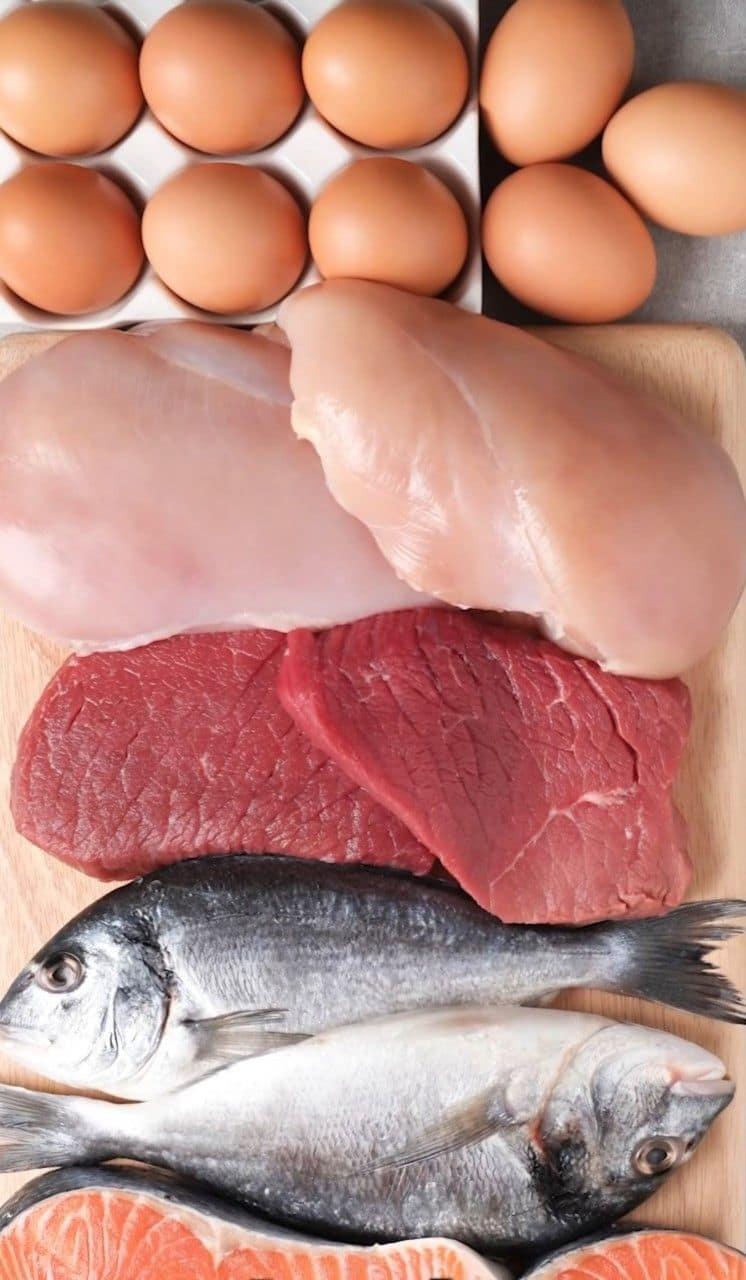
03Protein provides the collagen matrix that bone mineralizes — low protein is a major under-recognized bone risk factor
04Magnesium and zinc are critical for bone remodeling enzymes; both are commonly deficient after 50
05Weight-bearing exercise is non-negotiable — nutrition provides materials but exercise provides the build signal
Why Bone Loss Accelerates After 50
Bone is living tissue that constantly remodels — old bone is broken down (resorption) and new bone is built (formation) in a tightly regulated cycle. After 50, several changes tip this balance toward net bone loss: estrogen (which inhibits resorption) declines sharply in women after menopause; testosterone (which drives formation) declines gradually in men; and intestinal calcium absorption efficiency drops from roughly 35 percent in younger adults to 15 to 20 percent by age 70, partly due to reduced vitamin D activation in aging kidneys.
Bone changes after 50 — what changes and why
Change
Mechanism
Nutritional implication
Calcium absorption drops 15 to 20%
Kidneys activate less vitamin D3 to calcitriol with age
Need more vitamin D3 to compensate — 1,500 to 2,000 IU minimum
Estrogen decline (women at menopause)
Estrogen inhibits osteoclasts (bone resorbers); without it, resorption accelerates
Calcium + K2 + protein become more critical; resistance exercise partially compensates
Lower stomach acid production
Calcium carbonate needs acid to dissolve; absorption drops
Switch to calcium citrate (no acid needed); take with food
Reduced muscle mass (sarcopenia)
Muscle pulls on bone during contraction — signals bone formation
Protein + resistance exercise maintain both muscle and bone simultaneously
Reduced skin vitamin D synthesis
UV-B efficiency in skin drops 75% by age 70 vs. young adults
Supplement vitamin D3; 2,000 to 4,000 IU may be needed to reach adequate blood levels
Lower protein intake (common after 50)
Collagen provides the organic scaffold that calcium mineralizes
Target 1.2 to 1.6 g/kg protein — bone collagen synthesis requires adequate supply
The 5 Nutrients That Actually Determine Bone Health After 50
Key bone health nutrients after 50 — targets, food sources, and common deficiency
Nutrient
Role in bone health
Daily target after 50
Best food sources
Deficiency rate in adults 50+
Calcium
Mineral backbone of bone; 99% of body calcium is in bones
1,200 mg/day (women 50+; men 70+); 1,000 mg for men 51–70
Calcium Absorption After 50: Why the Form and Timing Matter
Calcium supplement forms — absorption, when to take, and who needs each
Calcium form
Absorption
When to take
Best for
Calcium carbonate
~35% (requires stomach acid)
With food — acid meal improves absorption
Most people taking with meals; cheaper option
Calcium citrate
~35% (acid-independent)
With or without food
Adults over 60 (lower stomach acid); those on acid-suppressing medications (PPIs); post-bariatric surgery
Calcium from food
Variable (25 to 40%); comes with cofactors
At meals — absorption optimized by cofactors in food
Preferred over supplements for most adults
Hydroxyapatite (MCHA)
Similar to citrate — some evidence for bone-specific benefits
With food
Adults with osteoporosis seeking bone-specific calcium delivery
The Calcium + Vitamin D3 + K2 Triad: Why All Three Work Together
Como cálcio, vitamina D3 e K2 trabalham em conjunto para a saúde óssea
01
Vitamin D3 pulls calcium from the gut
Vitamin D3 (converted to calcitriol in the kidneys) increases intestinal calcium absorption from 10 to 15 percent (deficient state) to 30 to 40 percent (adequate state). This is the critical first step — without it, dietary and supplemental calcium passes through largely unabsorbed.
02
K2 directs calcium to bone — not arteries
Once absorbed, calcium needs to be directed to bone rather than soft tissue. Vitamin K2 activates osteocalcin (bone-binding protein) and matrix Gla protein (arterial protection). Without K2, calcium supplementation with adequate D3 can increase arterial calcification. K2 is the "traffic controller" for calcium in the body.
03
Protein provides the matrix calcium fills
Bone is 30 percent collagen by weight. This organic protein scaffold is what calcium minerals crystallize onto. Without adequate protein, the matrix is thin and fragile — even normal calcium and mineral content produces weaker bone. This is why high-protein intake is associated with lower fracture risk, not higher.
04
Magnesium regulates the entire remodeling cycle
Magnesium is required for proper parathyroid hormone (PTH) function, which orchestrates bone remodeling. Alkaline phosphatase (the enzyme that mineralizes bone) requires magnesium as a cofactor. Magnesium also affects vitamin D metabolism — deficiency impairs D3 conversion to active calcitriol even with adequate supplementation.
What Accelerates Bone Loss: The Evidence
Factors that accelerate bone loss after 50 — evidence and magnitude
Factor
Effect on bone
Evidence strength
Notes
Smoking
1.5 to 2x higher fracture risk
STRONG
Nicotine directly inhibits osteoblast function; smoking is one of the strongest modifiable risk factors
Alcohol (3+ drinks/day)
2x higher hip fracture risk
STRONG
Inhibits bone formation and calcium absorption; increases fall risk
Glucocorticoid medications (long-term)
Fastest drug-induced bone loss; 30 to 50% bone loss in untreated
STRONG
Patients on prednisone 5+ mg daily for 3+ months need aggressive bone protection
Very low calorie diet (<1,000 kcal/day)
Rapid bone loss — similar to fasting
STRONG
GLP-1 medications without adequate protein and weight-bearing exercise have this risk
Low vitamin D (below 20 ng/mL)
1.5 to 2x higher fracture risk
STRONG
Extremely common; fix is straightforward with supplementation
High sodium diet (3,500+ mg/day)
Modest increase in urinary calcium excretion
MODERATE
Effect offset by adequate calcium intake
Carbonated beverages (phosphoric acid)
Weak evidence for bone loss — phosphorus may displace calcium
WEAK
Concern mainly for cola drinks; doesn't apply to sparkling water
Sedentary lifestyle
Significant accelerator — bone needs mechanical load signals
STRONG
Without weight-bearing exercise, no amount of nutrition fully compensates
Practical Bone Health Strategy: What to Eat Each Day
Daily bone health nutrition checklist for adults over 50
Calcium: aim for 3 to 4 servings of calcium-rich foods (1 cup dairy or fortified plant milk = ~300 mg each)
Vitamin D3: supplement 2,000 IU daily if you get limited sun; test blood levels and adjust — target 40 to 60 ng/mL
Vitamin K2 (MK-7): supplement 100 to 200 mcg daily if not regularly eating natto or aged cheese
Protein: 1.2 to 1.6 g/kg per day — critical for bone collagen; prioritize at breakfast and dinner
Magnesium: 300 to 400 mg from food (almonds, pumpkin seeds, black beans) or supplement if diet is low
Limit sodium to below 2,300 mg/day to reduce urinary calcium loss
Weight-bearing exercise: minimum 30 minutes, 5 days per week — walking, resistance training, or impact activity
Avoid alcohol excess: above 2 drinks/day consistently is a significant bone risk factor
If on acid-suppressing medications (PPIs): switch to calcium citrate (not carbonate) and increase D3 dose
Real stories, coming soon
Real people, real results
We're putting together real stories from people who use ZavoFit's guidance in everyday life. Coming soon.
Questions, answered.
Is calcium enough to protect bone health after 50?
No. Calcium is necessary but not sufficient. Without adequate vitamin D, calcium absorption drops to as low as 10 to 15 percent. Without vitamin K2, absorbed calcium is more likely to be deposited in arteries than in bones. Without magnesium, the parathyroid hormone system that regulates bone remodeling functions poorly. Protein provides the collagen matrix that calcium mineralizes — inadequate protein means weaker bone structure even with normal calcium levels.
How much calcium do adults over 50 actually need?
The recommended intake is 1,200 mg per day for women over 50 and men over 70 (men 51 to 70 need 1,000 mg). Importantly, the body can only absorb about 500 mg at once — so splitting calcium across meals is more effective than a single large supplement. Food sources (dairy, leafy greens, fortified foods) are preferred over supplements because they carry other bone-supportive cofactors. Supplementing more than 500 to 600 mg at a time does not improve bone outcomes and may increase cardiovascular risk.
What is vitamin K2 and why does it matter for bones?
Vitamin K2 (menaquinone, specifically MK-7) activates osteocalcin — a protein made by bone-building cells (osteoblasts) that binds calcium to the bone matrix. Without K2, osteocalcin remains inactive and calcium cannot be properly incorporated into bone. K2 also activates matrix Gla protein, which prevents calcium from depositing in arteries. The main food source is natto (fermented soy); smaller amounts are in hard cheeses, egg yolks, and some meats. Most Western diets provide negligible K2.
Does protein help or hurt bone health?
Help — strongly. High protein intake is associated with higher bone mineral density and lower fracture risk in multiple large studies. The old hypothesis that protein increases urinary calcium loss (causing bone loss) has been refuted: the increase in urinary calcium is offset by increased intestinal calcium absorption. The current consensus is that adequate protein (1.0 to 1.6 g/kg/day) combined with adequate calcium and vitamin D supports bone health. Low protein intake is a significant risk factor for fractures in older adults.
At what rate do women lose bone mass after menopause?
Women lose bone mass at a rate of 1 to 2 percent per year throughout adulthood. In the first 5 to 10 years after menopause — when estrogen drops sharply — this accelerates to 2 to 4 percent per year. After this rapid phase, the rate returns to 1 to 2 percent. Men lose bone at a slower rate (0.5 to 1 percent per year) and generally 10 to 20 years later. Peak bone mass is reached in the late 20s — so nutrition in earlier decades determines the "bone bank" available to draw from after 50.
Is weight-bearing exercise necessary for bone health, or does diet alone work?
Diet alone is insufficient for maintaining bone density. Bone is mechanically responsive — it remodels in response to stress loads. Weight-bearing exercise (walking, hiking, resistance training) and impact exercise (jumping, dancing) signal bone cells to build new tissue. Resistance training is particularly effective after 50 because it combines mechanical loading with muscle stimulation that further activates bone remodeling. Nutrition provides the raw materials; exercise provides the signal to use them.
Iron deficiency is the most prevalent nutritional deficiency worldwide. This data page compiles the key statistics, demographic breakdowns, and research findings that journalists and health writers cite most frequently.
GLP-1 receptor agonists are among the fastest-growing medication categories. This data page compiles the clinical research on their nutritional implications — muscle loss rates, protein requirements, food interactions — for journalists, clinicians, and health writers.
This data page compiles the key research findings on protein needs after 50 — sarcopenia prevalence, anabolic resistance evidence, per-meal leucine thresholds, and the gap between the RDA and what research actually supports — for journalists, clinicians, and health writers.