Fatty Liver Disease Diet: What the Research Actually Recommends
Non-alcoholic fatty liver disease responds to real dietary changes. The interventions with the strongest evidence are less glamorous than any cleanse — and significantly more effective.
015 to 10% weight loss through a caloric deficit is the most consistent intervention for reducing liver fat
02Added fructose from sweetened beverages directly drives liver fat production
03The Mediterranean dietary pattern reduces liver fat even without significant weight loss
04Regular coffee consumption is linked to lower liver enzymes and slower NAFLD progression
05Liver cleanses and detox supplements have no evidence base for NAFLD treatment
What NAFLD Is and Why Diet Is Central
Non-alcoholic fatty liver disease (NAFLD) is the accumulation of excess fat in liver cells in people who drink little or no alcohol. It is the most common liver condition in developed countries and is closely tied to metabolic syndrome, insulin resistance, and excess body weight. In its early stage — simple steatosis — it is often silent, discovered through elevated liver enzymes on a routine blood panel or an incidental ultrasound finding.
Diet sits at the center of NAFLD because the liver is where dietary fat and carbohydrate metabolism converge. Unlike conditions where diet plays a supporting role, liver fat responds directly and measurably to what you eat and how much. The reversal window in early-stage NAFLD is real — but it requires sustained change, not a one-week detox.
Caloric Deficit: The Most Reliable Intervention
Among all dietary interventions for NAFLD, losing 5 to 10% of body weight through a sustained caloric deficit has the strongest and most consistent evidence. At 5% weight loss, liver fat measurably decreases on imaging. At 7 to 10%, liver inflammation also improves. These effects show up in liver enzyme levels and histology within weeks to months of sustained change.
Comparing low-fat, low-carbohydrate, and Mediterranean diets for NAFLD, studies generally show similar outcomes when calorie intake is matched. The specific macro distribution matters less than the sustainability of the deficit. Choose a pattern you can maintain.
Fructose: The Most Direct Dietary Driver
Fructose is metabolized almost entirely in the liver. When consumed in excess — particularly from added sugars in sweetened beverages and processed foods — it drives de novo lipogenesis: the liver converts excess carbohydrate directly into fat. This is a well-established mechanism linking high sugar intake to NAFLD, and it operates independently of total caloric intake.
Interventions for NAFLD ordered by strength of evidence
Intervention
Effect
Evidence level
Caloric deficit with 7–10% weight loss
Reduces liver fat and inflammation
Strong — multiple RCTs
Reduce added fructose and sugar
Lowers de novo lipogenesis
Strong — mechanistic and clinical
Mediterranean dietary pattern
Reduces liver fat independent of weight loss
Moderate — multiple trials
Regular coffee (2–3 cups/day)
Lower liver enzymes, slower progression
Moderate — observational and some trials
Regular physical activity
Reduces liver fat independent of diet
Strong — well replicated
Reduce saturated fat from processed sources
Reduces hepatic inflammation
Moderate
Eliminate alcohol
Removes additive liver stress
Recommended consensus
Omega-3 fatty acids from fish or supplements
May reduce liver triglycerides
Moderate — inconsistent
Why the Mediterranean Pattern Works
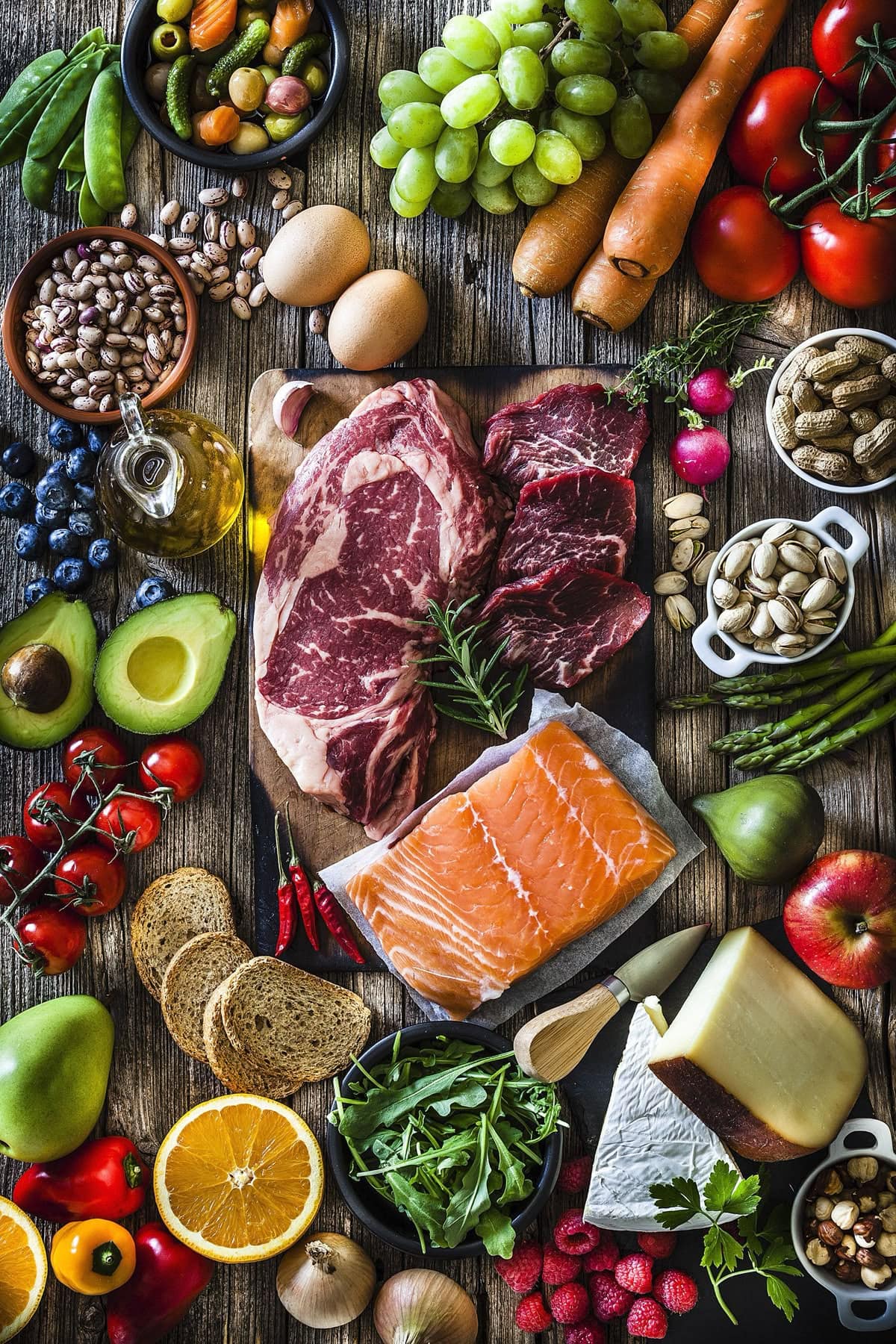
The Mediterranean dietary pattern — built around olive oil, vegetables, legumes, whole grains, fish, and moderate poultry, with minimal red and processed meat and very limited added sugar — has been tested specifically for NAFLD with positive results in multiple studies. It reduces liver fat even when total calories are not restricted, which suggests pathways beyond simple energy balance.
Mediterranean components most relevant to liver health
01
Extra-virgin olive oil
Replaces saturated fats; provides polyphenols with anti-inflammatory effects that reduce hepatic fat accumulation in animal and human studies.
02
Legumes (beans, lentils, chickpeas)
High fiber, moderate protein, low glycemic load — support insulin sensitivity, which is central to NAFLD pathophysiology.
03
Fatty fish (salmon, sardines, mackerel)
Omega-3 fatty acids reduce liver triglycerides. EPA and DHA are consistently associated with improved liver fat markers in NAFLD trials.
04
Eggs in moderate amounts
Rich in choline, required for fat export from the liver via VLDL particles. Choline deficiency independently causes fatty liver in both animals and humans.
The Coffee Finding
Multiple large observational studies and some controlled trials show that people who drink two to three cups of coffee per day have lower rates of NAFLD, lower ALT and AST levels, and slower fibrosis progression than non-coffee drinkers. Both caffeinated and decaffeinated coffee show similar benefits in some analyses, suggesting the effect is not solely from caffeine.
Chlorogenic acids and other coffee polyphenols have anti-inflammatory and anti-fibrotic effects in liver tissue. Black coffee or coffee with small amounts of dairy is the relevant form — adding large amounts of sugar or flavored syrups likely offsets the benefit.
Ultra-processed snacks high in refined carbohydrates and added sugar
Alcohol, including beer and wine
Foods with high-fructose corn syrup listed as an ingredient
White bread, white rice, and other refined grains as dietary staples
Large portions of processed or red meat as a primary protein source
Why Detoxes Do Not Work
The liver is already the body's primary detoxification organ, processing compounds continuously through multiple enzymatic pathways. Commercial liver cleanses, detox teas, and liver supplements do not meaningfully assist this process. There is no clinical trial showing that any detox product reduces liver fat, lowers liver enzymes, or reverses NAFLD.
Some herbal supplements marketed for liver health have actually caused drug-induced liver injury. The most effective "liver cleanse" is creating a caloric deficit, reducing fructose, choosing a Mediterranean-style eating pattern, and stopping alcohol.
Real stories, coming soon
Real people, real results
We're putting together real stories from people who use ZavoFit's guidance in everyday life. Coming soon.
Questions, answered.
What foods should you avoid with fatty liver disease?
Added fructose from sweetened beverages and ultra-processed foods, refined carbohydrates, alcohol, and large amounts of saturated fat from processed sources are the most evidence-supported items to reduce.
Can fatty liver be reversed with diet?
Yes, in early stages. NAFLD is often reversible with sustained dietary changes and weight loss. A 5 to 10% reduction in body weight consistently reduces liver fat in clinical trials.
Is coffee good for fatty liver?
Yes. Multiple studies link 2 to 3 cups of coffee per day to lower liver enzyme levels and slower NAFLD progression. The benefit applies to both caffeinated and decaffeinated coffee.
Is the Mediterranean diet good for fatty liver?
Yes. It is one of the most studied and best-supported dietary patterns for NAFLD, with evidence showing liver fat reduction even without significant weight loss.
Can you eat eggs with fatty liver?
Yes, in moderate amounts. Eggs provide choline, which supports fat export from the liver. Choline deficiency is a known contributor to fatty liver in animal models and some human studies.
What is the fastest way to reduce liver fat?
A consistent caloric deficit combined with reduced fructose and refined carbohydrate intake, plus regular physical activity, produces the fastest measurable reduction in liver fat. No supplement shortcut exists.
Is sugar or fat worse for fatty liver?
Both matter. Added fructose directly drives liver fat production through a process called de novo lipogenesis. Saturated and trans fats worsen inflammation. Unsaturated fats from olive oil and fish are protective.
Does exercise help fatty liver?
Yes. Both aerobic exercise and resistance training reduce intrahepatic fat independently of diet, even without significant weight loss. Exercise also improves insulin sensitivity, a key driver of NAFLD.
Do liver detox supplements work?
No. There is no clinical evidence that any detox supplement or cleanse reverses NAFLD. Some herbal supplements have caused drug-induced liver injury. The liver does not need help cleaning itself — it needs less metabolic burden.
Can I drink alcohol with fatty liver?
Most hepatologists recommend avoiding alcohol entirely with NAFLD. Even moderate intake adds direct liver stress and accelerates disease progression in people already managing liver fat accumulation.
What does fructose do to the liver?
Fructose is metabolized almost entirely in the liver and drives de novo lipogenesis — converting excess carbohydrate into fat. High fructose from sweetened beverages is one of the most direct dietary drivers of NAFLD.
Iron deficiency is the most prevalent nutritional deficiency worldwide. This data page compiles the key statistics, demographic breakdowns, and research findings that journalists and health writers cite most frequently.
GLP-1 receptor agonists are among the fastest-growing medication categories. This data page compiles the clinical research on their nutritional implications — muscle loss rates, protein requirements, food interactions — for journalists, clinicians, and health writers.
This data page compiles the key research findings on protein needs after 50 — sarcopenia prevalence, anabolic resistance evidence, per-meal leucine thresholds, and the gap between the RDA and what research actually supports — for journalists, clinicians, and health writers.