Sarcopenia Explained: What It Is, Why It Happens, and How to Stop It
Sarcopenia — the progressive loss of muscle mass with age — is not inevitable. It is a physiological process driven by specific, addressable factors: protein insufficiency, inactivity, anabolic hormone decline, and inflammation. Understanding the mechanism makes prevention straightforward.
01Sarcopenia is age-related muscle loss — a recognized disease with specific diagnostic criteria, not just "getting old"
02Begins at 30, accelerates after 50: adults lose 3 to 8% of muscle mass per decade without intervention
03Causes: anabolic hormone decline, anabolic resistance, inflammaging, protein insufficiency, inactivity
04Resistance exercise + 1.2 to 1.6 g/kg protein + vitamin D is the evidence-based intervention combination
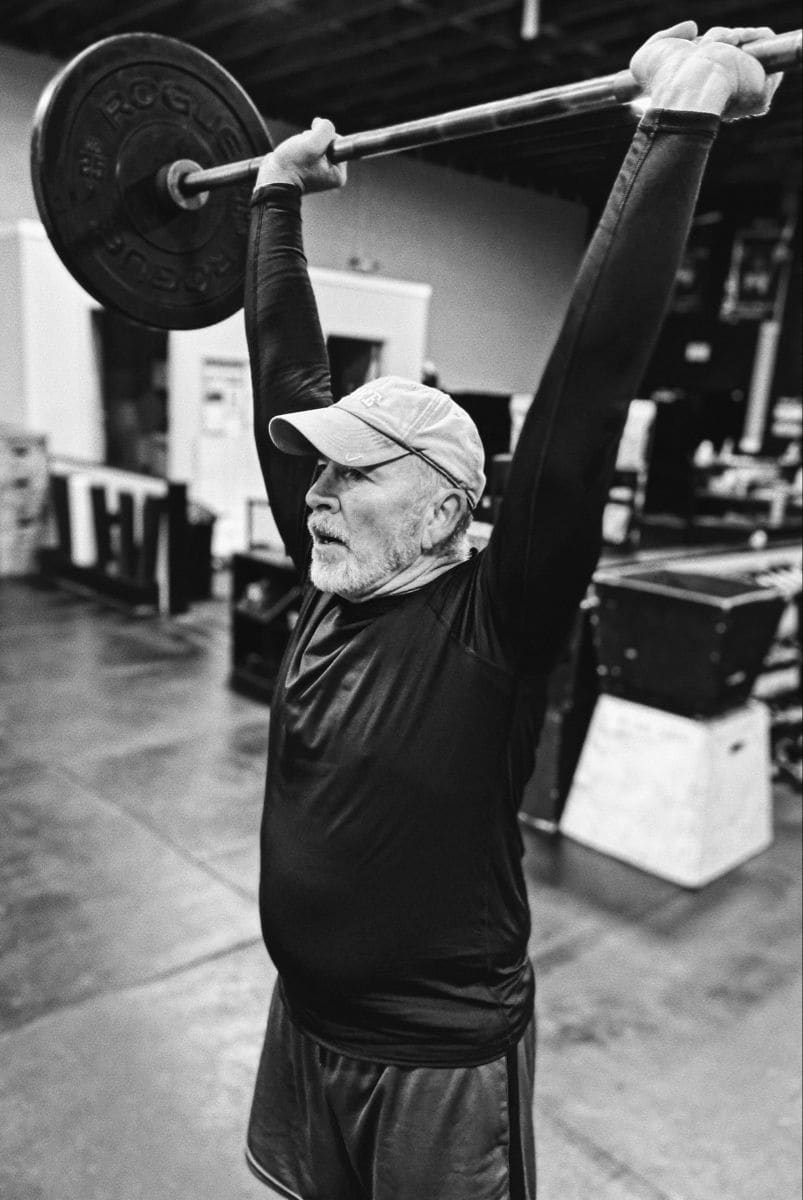
05Sarcopenia is partially reversible even in people over 70 — it is not too late to start resistance training
What Sarcopenia Is — and Why It Is Not Just "Aging"
Sarcopenia (from Greek: sarco = flesh, penia = poverty) is the medical term for the progressive, age-related decline in skeletal muscle mass, strength, and functional capacity. It was formally recognized as a disease condition by the International Classification of Diseases (ICD-10) in 2016 — reflecting the clinical consensus that this is not an inevitable, untreatable feature of aging but a diagnosable, treatable condition.
The stakes are high. Sarcopenia drives the loss of physical independence (falls, difficulty rising from chairs, stair climbing), reduces metabolic rate (each kilogram of lost muscle burns fewer calories at rest), increases insulin resistance, and significantly increases mortality risk in older adults. It is one of the most consequential, yet under-addressed, conditions in preventive health.
The Biology Behind Age-Related Muscle Loss
Mechanisms of sarcopenia: what changes in the body and why muscle is lost
Mechanism
What changes with age
Effect on muscle
Can be modified?
Anabolic hormone decline
Testosterone, estrogen, IGF-1, growth hormone all decline from 30s onward
Reduced signal for muscle protein synthesis; increased muscle breakdown rate
Partially (exercise increases IGF-1; resistance training raises testosterone acutely)
Anabolic resistance
Muscles require more protein per meal to achieve the same synthesis response
The protein threshold to build vs lose muscle rises with age
Yes — increase protein per meal to 30 to 40 g and include high-leucine sources
Inflammaging
Chronic low-grade systemic inflammation increases with age (higher IL-6, TNF-alpha)
Pro-inflammatory cytokines actively promote muscle protein breakdown (catabolism)
Partially — omega-3, anti-inflammatory diet, exercise all reduce inflammaging
Neuromuscular deterioration
Motor neuron loss; reduced neuromuscular junction efficiency
Individual muscle fibers lose their neural connection and atrophy; fast-twitch fibers most affected
Partially — resistance training maintains neuromuscular connections
Satellite cell decline
Muscle stem cells (satellite cells) decrease in number and function
Reduced capacity to repair and replace damaged muscle fibers
Exercise maintains satellite cell activity; creatine may support satellite cell function
Protein insufficiency
Dietary protein rarely increases to match the higher need after 50
Chronic net negative protein balance — the body breaks down more muscle than it builds
Fully addressable — increase dietary protein to 1.2 to 1.6 g/kg
Sarcopenia vs. Simply Being Out of Shape: The Key Differences
How sarcopenia differs from deconditioning
01
Timeline: years vs weeks
Deconditioning from inactivity develops over weeks and reverses quickly with training. Sarcopenia develops over decades of cumulative muscle biology changes and reverses much more slowly — meaningful improvement takes months of consistent resistance training.
02
Biological changes beyond fitness
Being out of shape means the cardiovascular system and muscle function are below potential. Sarcopenia involves actual changes in muscle fiber composition (loss of type II fast-twitch fibers), neuromuscular connections, and the anabolic signaling machinery — changes not present in simple deconditioning.
03
Sarcopenia exists at any body weight
Sarcopenic obesity — normal or even high body weight with very low muscle mass — is increasingly common. A person can appear "fine" on a scale while having critically low functional muscle. This is why muscle mass measurement (not weight or BMI) is the relevant metric.
04
Acceleration with inactivity periods
An injury requiring bed rest or a period of illness-related inactivity causes disproportionate muscle loss in people with sarcopenia — faster than the same period would cause in younger adults, and harder to regain. This "muscle fragility" is a defining feature of sarcopenia.
The Evidence-Based Intervention: What Actually Reverses Sarcopenia
The minimum effective intervention for sarcopenia prevention and reversal
Resistance exercise: minimum 2 sessions per week, targeting all major muscle groups (legs, back, chest, shoulders, arms)
Progressive overload: gradually make exercises harder every 2 to 3 weeks — more reps, more weight, or more complex movement
Protein at every meal: 30 to 40 g per meal, 3 to 4 meals per day, prioritizing high-leucine sources (animal protein, whey)
Protein total target: 1.2 to 1.6 g/kg body weight per day — significantly above standard RDA
Vitamin D: test and supplement to reach 40 to 60 ng/mL — vitamin D receptors in muscle tissue support protein synthesis
Consider creatine monohydrate: 3 to 5 g/day — best-evidenced supplement for maintaining muscle strength during aging
Reduce chronic inflammation: omega-3 fatty acids (2 to 3 g EPA+DHA), anti-inflammatory diet, adequate sleep
Consistency over intensity: 2 sessions per week consistently for 12 months is better than 5 sessions for 8 weeks followed by nothing
Real stories, coming soon
Real people, real results
We're putting together real stories from people who use ZavoFit's guidance in everyday life. Coming soon.
Questions, answered.
What is sarcopenia?
Sarcopenia is the age-related progressive loss of skeletal muscle mass, strength, and function. It is now recognized as a disease with its own diagnostic criteria (low muscle mass + low muscle strength or physical performance). It begins around age 30 and accelerates significantly after 50, with adults losing 3 to 8 percent of muscle mass per decade. Without intervention, this loss compounds — meaning each decade without action makes the next decade harder to recover.
Is sarcopenia the same as just "being out of shape"?
No. Being "out of shape" usually refers to low cardiovascular fitness or body composition changes from inactivity or excess body fat — changes that are rapidly reversible with training. Sarcopenia is a deeper, age-related change in the muscle itself: reduced satellite cells (muscle stem cells), impaired neuromuscular connections, anabolic hormone decline, and chronic low-grade inflammation that actively breaks down muscle. It is harder to reverse than simple deconditioning, and requires sustained, specific intervention.
What causes sarcopenia?
Multiple converging factors: declining anabolic hormones (testosterone, estrogen, IGF-1, growth hormone) reduce the muscle-building signal; anabolic resistance increases with age, meaning more protein is needed per meal for the same muscle protein synthesis; chronic low-grade inflammation (sometimes called inflammaging) increases muscle breakdown; neuromuscular deterioration reduces the quality of the connection between nerves and muscle fibers; and protein intake rarely increases to compensate for the increased need.
Can sarcopenia be reversed?
Partially and meaningfully yes. Resistance exercise is the strongest intervention — it can reverse functional strength loss and partially rebuild muscle mass even in adults in their 70s and 80s. Adequate protein (1.2 to 1.6 g/kg per day) provides the building blocks. Vitamin D and creatine may provide additional support. Full reversal of age-related muscle biology is not possible, but slowing and partially reversing functional loss is well-supported by evidence.
How is sarcopenia diagnosed?
Diagnosis requires: (1) low muscle mass measured by DEXA scan, BIA, or CT/MRI; AND (2) low muscle strength (grip strength below 27 kg for men, 16 kg for women) or low physical performance (walking speed below 0.8 m/s on a 4-meter walk test). Having low muscle mass alone without strength or performance decline is called "pre-sarcopenia." Not all countries have standardized access to DEXA — grip strength plus physical performance tests are used as practical proxies.
What is the best exercise for sarcopenia?
Resistance exercise (weight training, resistance bands, bodyweight exercises) is the primary evidence-based intervention. Progressive overload — gradually increasing resistance, reps, or complexity — is essential. Aim for 2 to 3 sessions per week targeting all major muscle groups. Adding protein immediately after or within 2 hours of resistance exercise maximizes the anabolic response. Walking and aerobic exercise are beneficial for overall function but do not substitute for resistance training in reversing sarcopenia.
At what age does sarcopenia start?
Muscle mass loss begins gradually around age 30, at approximately 1 to 2% per decade. The rate accelerates after age 50 to 60, and especially after 70. However, the trajectory is not fixed — sustained physical inactivity accelerates the process dramatically, while active people can maintain significantly more muscle mass well into their 70s and beyond.
Iron deficiency is the most prevalent nutritional deficiency worldwide. This data page compiles the key statistics, demographic breakdowns, and research findings that journalists and health writers cite most frequently.
GLP-1 receptor agonists are among the fastest-growing medication categories. This data page compiles the clinical research on their nutritional implications — muscle loss rates, protein requirements, food interactions — for journalists, clinicians, and health writers.
This data page compiles the key research findings on protein needs after 50 — sarcopenia prevalence, anabolic resistance evidence, per-meal leucine thresholds, and the gap between the RDA and what research actually supports — for journalists, clinicians, and health writers.