Signs Your Iron Is Dangerously Low: When to Seek Medical Attention
Most iron deficiency is mild and manageable. But some signs indicate that iron levels have dropped to a level where the heart and brain are under real strain. Here is how to tell the difference.
01Severe iron deficiency anemia produces breathlessness and palpitations at rest — not just during exercise
02Pica (craving ice, clay, or raw starch) is a classical and underreported sign of severe deficiency
03Extreme pallor of skin, nail beds, and inner eyelids indicates significant hemoglobin depletion
04Chest pain, fainting, or confusion alongside iron deficiency symptoms require emergency care
05IV iron infusion is the treatment for severe cases — oral supplements cannot correct it fast enough
Understanding the Spectrum: From Mild to Severe
Iron deficiency exists on a spectrum. Most people who are diagnosed have mild to moderate deficiency — depleted ferritin, perhaps mild anemia, with fatigue and hair shedding as the primary complaints. These cases respond to dietary changes or oral iron supplementation over weeks to months.
A smaller number have severe iron deficiency anemia, where hemoglobin has fallen low enough that the heart and brain are struggling to function under normal conditions. This is a different clinical situation requiring different — and faster — intervention. Knowing which signs indicate severity helps you decide whether this is a "make an appointment next week" situation or an "urgent care today" one.
The Red Flags: Signs That Iron Is Dangerously Low
Warning signs of severe iron deficiency anemia
01
Breathlessness at rest or minimal activityMost serious physical sign
Becoming short of breath while sitting, lying down, or during activities that should require no exertion — talking, eating, dressing — indicates that hemoglobin has dropped to a level where normal oxygen delivery is severely impaired.
02
Heart palpitations at restCardiac compensation sign
A racing, pounding, or irregular heartbeat while sitting still or resting. This reflects the heart working overtime to maintain oxygen delivery. Palpitations during exertion are less alarming; palpitations at rest are more serious.
03
Pica — cravings for non-food substancesClassical sign of severe deficiency
Compulsive craving for ice (the most common), clay, dirt, raw starch, or paper. Pagophagia (ice craving) is the most recognized form. Many patients do not volunteer this symptom — they need to be asked directly. It often resolves within days of starting iron treatment.
04
Fainting or near-faintingSeek care promptly
Actual loss of consciousness or near-fainting episodes, even while seated, indicate that brain perfusion is insufficient. Combined with iron deficiency symptoms, this warrants same-day medical evaluation.
Severe anemia produces visible changes that can be assessed without any equipment. These are not diagnostic on their own but, combined with symptoms, indicate that a medical evaluation should happen today rather than in a week.
Visible signs of severe iron deficiency anemia
Sign
How to check
What it means
Pallor of inner eyelids
Pull lower eyelid down — should be pink to red
Pale or white = low hemoglobin
Pallor of nail beds
Press on nail briefly — color should return quickly and be pink
White or very pale = reduced red blood cells
Pallor of gums and tongue
Check in a mirror — should be pink
White or very pale gums = significant anemia
Yellow or pale skin
Overall skin tone, particularly around ears and jawline
Pallor or slight jaundice suggests severe anemia
Brittle or spoon-shaped nails
Nails that curve upward (koilonychia)
Classic but late sign of severe iron deficiency
Causes of Sudden Severe Iron Deficiency
In most people, iron deficiency develops gradually over months. But certain situations can cause rapid, severe iron loss that produces dangerous anemia within days to weeks.
Situations that can cause rapid severe iron deficiency
Heavy menstrual bleeding that soaks through protection hourly (menorrhagia)
Gastrointestinal bleeding — often presenting as black, tarry stools or blood in stool
Oral iron supplements raise hemoglobin by approximately 1 to 2 g/dL per month under optimal conditions. For someone with hemoglobin at 7 g/dL who needs to reach 12 g/dL, that is a 2.5 to 5 month timeline — too long when the person is symptomatic and functionally limited.
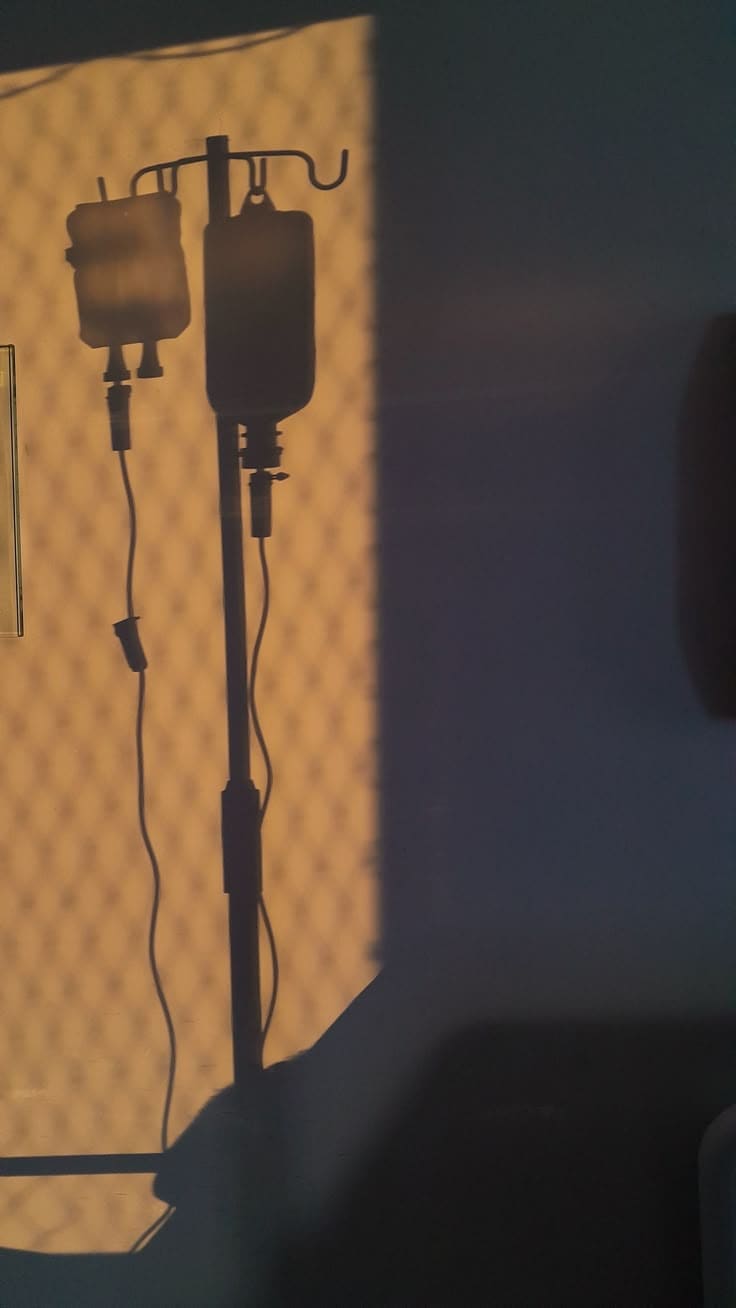
Intravenous (IV) iron infusion delivers iron directly to the bloodstream, bypassing intestinal absorption entirely. It can raise ferritin and begin improving hemoglobin significantly within 1 to 2 weeks. It is typically used when hemoglobin is critically low, when the patient cannot tolerate oral iron, when absorption is impaired (celiac disease, gastric bypass), or when the cause involves ongoing blood loss that outpaces oral correction.
Real stories, coming soon
Real people, real results
We're putting together real stories from people who use ZavoFit's guidance in everyday life. Coming soon.
Questions, answered.
What are the signs that iron is dangerously low?
Signs of severe iron deficiency anemia include breathlessness at rest or during minimal activity, heart palpitations at rest, extreme pallor of skin and inner eyelids, persistent dizziness or fainting, chest pain, and pica — cravings for non-food items like ice, clay, dirt, or raw starch. These require medical evaluation promptly.
When should I go to the ER for iron deficiency?
Seek emergency care if you experience chest pain, severe shortness of breath at rest, fainting or near-fainting, heart palpitations that are persistent or severe, or confusion. These symptoms indicate that iron deficiency has reached a level where the heart and brain are under significant strain.
What is pica and why does it happen with iron deficiency?
Pica is the compulsive craving and consumption of non-food substances — most commonly ice (pagophagia), clay, dirt, raw starch, or paper. It is a recognized symptom of severe iron deficiency, though the mechanism is not fully understood. It often resolves within days to weeks of iron treatment.
What hemoglobin level is considered dangerously low?
Generally, hemoglobin below 8 g/dL is considered severe anemia requiring urgent treatment. Below 7 g/dL often requires intravenous iron or blood transfusion. The normal range is above 12 g/dL in women and 13 g/dL in men.
Can severe iron deficiency anemia be life-threatening?
Yes, in extreme cases. Severe anemia forces the heart to work much harder to deliver adequate oxygen, which can cause cardiac complications including high-output heart failure. Prolonged severe anemia is a medical emergency. Hemoglobin below 6 to 7 g/dL with symptoms requires immediate intervention.
What is the treatment for dangerously low iron?
Severe iron deficiency anemia is treated with intravenous (IV) iron infusion, which restores iron stores quickly without the absorption limitations of oral supplements. Blood transfusion may be used in life-threatening situations when hemoglobin is critically low. The underlying cause must also be identified and treated.
Can severe iron deficiency cause permanent damage?
Prolonged severe iron deficiency can impair brain development in children with lasting effects. In adults, very severe anemia can cause cardiac complications. However, most iron deficiency anemia in adults responds fully to treatment without permanent damage when addressed before it becomes critical.
How quickly does iron deficiency anemia develop?
Slowly in most cases — depleting iron stores over months. However, acute blood loss from gastrointestinal bleeding, heavy menstrual hemorrhage (flooding), trauma, or surgery can cause severe anemia within days. Sudden onset of severe symptoms warrants urgent evaluation regardless of prior health.
Should I take iron supplements before seeing a doctor if my symptoms are severe?
Not as a substitute for medical evaluation. If your symptoms are severe (breathlessness at rest, palpitations at rest, fainting), see a doctor first. The cause needs to be identified — particularly ruling out gastrointestinal bleeding — before self-treating. Oral iron also cannot correct severe anemia fast enough in an emergency.
Iron deficiency is the most prevalent nutritional deficiency worldwide. This data page compiles the key statistics, demographic breakdowns, and research findings that journalists and health writers cite most frequently.
GLP-1 receptor agonists are among the fastest-growing medication categories. This data page compiles the clinical research on their nutritional implications — muscle loss rates, protein requirements, food interactions — for journalists, clinicians, and health writers.
This data page compiles the key research findings on protein needs after 50 — sarcopenia prevalence, anabolic resistance evidence, per-meal leucine thresholds, and the gap between the RDA and what research actually supports — for journalists, clinicians, and health writers.