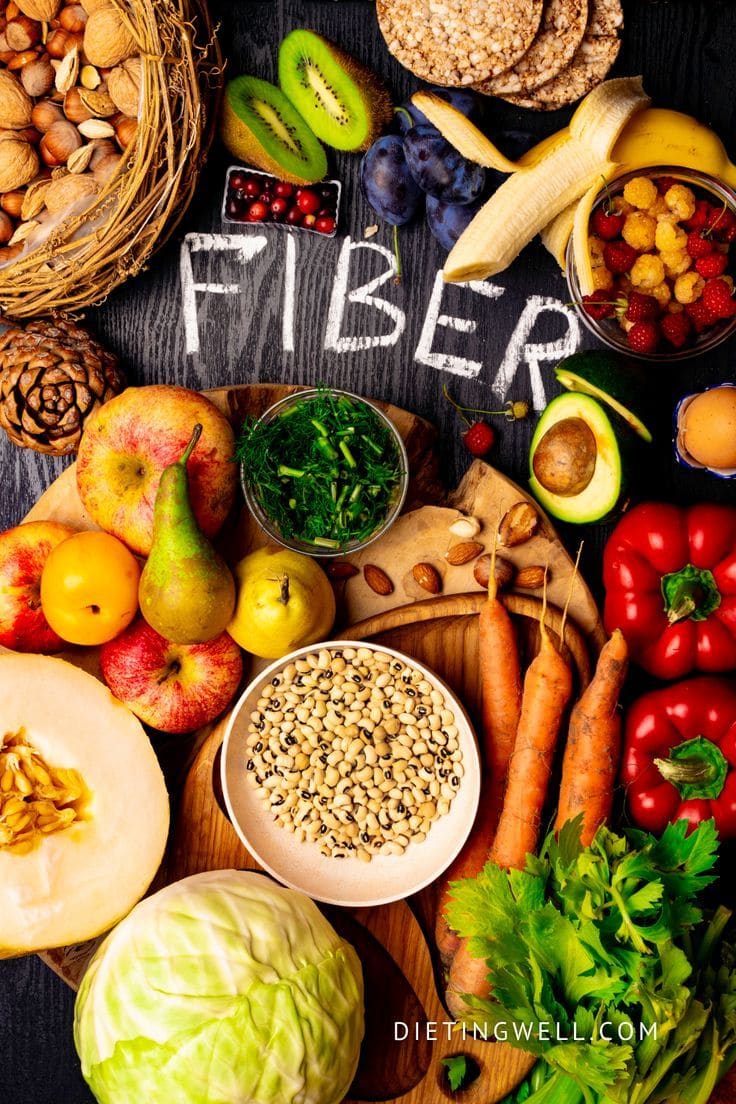

Whole foods and calendar representing the timeline for gut health improvement
Healthy Habits

How Long Does It Take to Fix Gut Health? A Realistic Timeline

Gut health improvement is not a switch you flip. It happens in layers — some changes measurable in 48 hours, others requiring months of consistent habits to fully take hold.

Table of contents

Em resumo

  • First symptoms of improvement (bloating, bowel regularity) often appear within 2 to 4 weeks
  • Stable microbiome composition changes require 4 to 8 weeks of consistent dietary habits
  • Full recovery from significant gut damage (antibiotics, long-term poor diet) takes 3 to 6 months
  • Microbiome shifts are detectable in 24 to 48 hours but not stable — early changes do not equal real improvement
  • Gut health is a continuous maintenance job, not a one-time fix — it returns to baseline when diet returns to poor patterns

The Gut Health Timeline: What Changes at Each Stage

Gut health restoration happens in distinct phases. The first phase is immediate and involves changes in the food environment the bacteria live in. The second phase involves actual shifts in microbial populations. The third phase involves structural improvements — more robust gut lining, more diverse microbiome, and better SCFA production.

Gut health improvement timeline by change type and intervention
TimelineWhat changesWhat drives itSigns you notice
24 to 72 hoursTemporary shifts in bacteria populations reflecting immediate food environmentSingle high-fiber meal; removal of alcoholVariable; gas may increase initially as bacteria respond to new substrates
1 to 2 weeksImproved gut transit time; initial reduction in constipation; some bloating reductionConsistent fiber increase; removed ultra-processed foodsMore regular bowel movements; slightly less after-meal bloating
2 to 4 weeksMeasurable reduction in symptoms; improvement in stool consistency; reduced gas from prebiotic adaptationConsistent high-fiber, fermented food dietBetter bowel regularity; less gas (the adaptation phase passes); some energy improvement
4 to 8 weeksStable microbiome composition shifts; increased Lactobacillus and Bifidobacterium; improved SCFA productionSustained dietary change; regular fermented food; prebiotic fiber diversityImproved energy; better sleep; reduced bloating consistently; possible skin improvement
2 to 4 monthsStrengthened gut lining; reduced intestinal permeability; improved immune functionAll of the above plus stress management, sleep qualityFewer infections; more stable mood; improved skin conditions; better food tolerance
4 to 6 monthsFull microbiome restoration from significant disruption; stable SCFA production at higher levelsConsistent effort across all areas with no major disruptionsSustained symptom resolution; broadened food tolerance; robust systemic effects

Factors That Accelerate Gut Health Recovery

The four highest-leverage inputs for faster gut health improvement
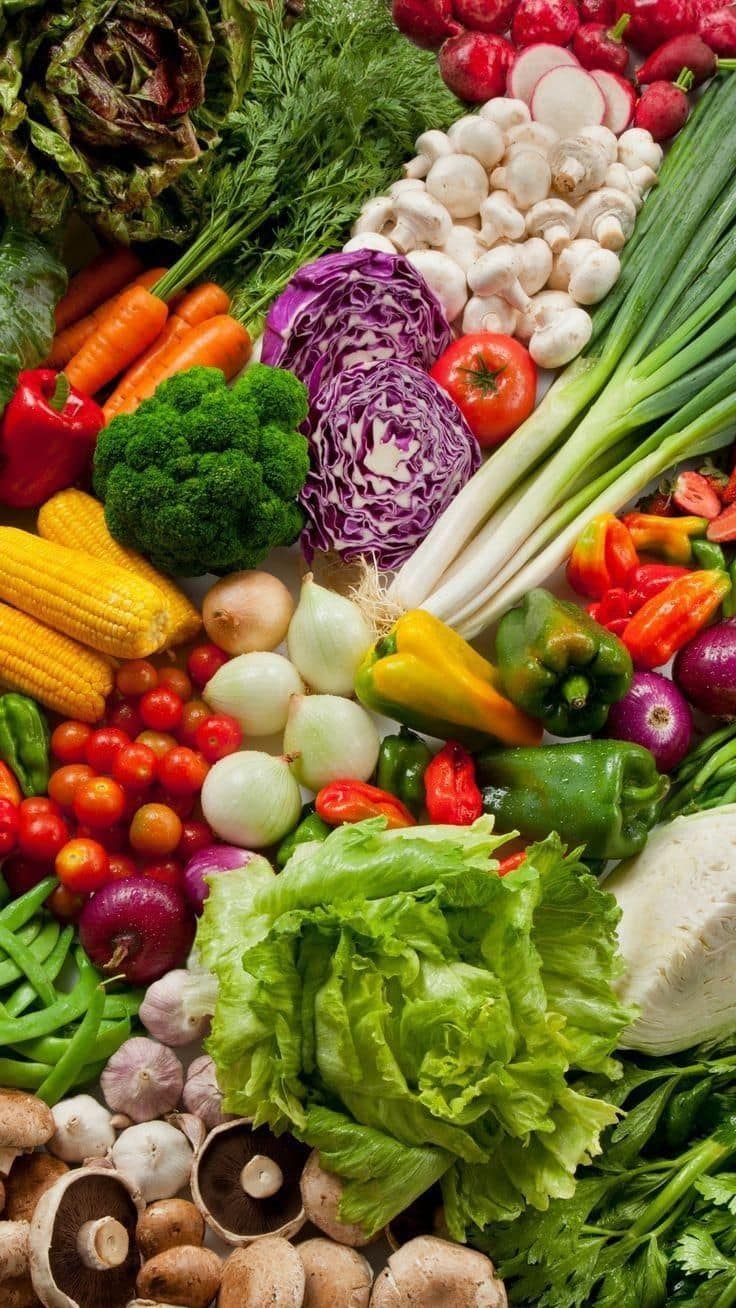
Diversity of fiber types

Different gut bacteria species prefer different fiber types. Eating a wide variety — inulin from garlic and onion, beta-glucan from oats, resistant starch from legumes, pectin from fruit — feeds more bacterial species simultaneously. The "30 plants per week" framework captures this principle practically.

Daily fermented foods

Yogurt, kefir, kimchi, and sauerkraut introduce live bacteria that can temporarily colonize the gut and also produce lactic acid that shifts the gut pH toward a less favorable environment for pathogenic bacteria. Daily consumption produces faster results than intermittent.

Sleep quality

The gut microbiome follows circadian rhythms. Poor sleep (less than 7 hours, irregular timing) disrupts gut microbial composition within days. Sleep is one of the highest-leverage interventions for gut health that most discussions miss.

Regular physical activity

Exercise — even moderate walking — independently increases gut microbiome diversity and SCFA production. Studies show that athletes have more diverse gut bacteria than sedentary controls, and that starting an exercise routine increases diversity within weeks.


WatchWatch the ZavoFit videoReal prep videos are in production. See what is already filmed on the channel.See the channel

Recommended for your routine

ZavoFit Glass Meal Prep Containers (Set of 5)

Leak-proof glass containers that reheat evenly and do not hold onto smells or stains.

$34 · View product →

Special Case: Timeline After Antibiotics

Antibiotics do not distinguish between harmful and beneficial bacteria — they reduce gut microbial populations broadly. A standard 5 to 14-day antibiotic course can reduce gut microbial diversity by 25 to 50 percent. Without dietary support, some species never fully return.

Gut health recovery timeline after antibiotics with and without dietary support
Timeline post-antibioticsWithout dietary supportWith fiber + fermented foods + probiotics
Week 1 to 2Significant dysbiosis; diarrhea common; diversity very lowFaster stabilization; probiotics reduce C. diff risk; less diarrhea
Week 2 to 4Partial spontaneous recovery; some species returnFaster Lactobacillus/Bifidobacterium return; better stool consistency
Month 1 to 2Diversity still below pre-antibiotic baseline for most peopleApproaching or reaching pre-antibiotic diversity levels
Month 2 to 6Some species may remain suppressed; risk of ongoing dysbiosisNear-complete recovery for single antibiotic course
Month 6 to 12Ongoing suppression of some species possible; particularly with repeated coursesStable recovery maintained with ongoing dietary fiber and fermented foods

What Will Not Speed Up Gut Health Recovery

Common gut health approaches with limited evidence

  • Expensive probiotic supplements beyond standard strains (Lactobacillus acidophilus, Bifidobacterium longum) — basic yogurt and kefir contain these and work as well
  • "Gut cleanse" or "detox" protocols — these typically remove beneficial bacteria alongside harmful ones
  • Bone broth alone as a gut-healing protocol — it contains collagen but is not well-evidenced as a primary gut health intervention
  • Eliminating all fermentable foods (FODMAPs) long-term — useful short-term for IBS diagnosis, but reducing prebiotic fiber long-term worsens the microbiome
  • High-dose supplements without addressing diet — supplements work at the margin of a good dietary foundation, not as a replacement

Questions, answered.

How long does it take to improve gut health?

Measurable improvements in gut transit time and bloating can occur within 2 to 4 weeks of dietary changes. Meaningful microbiome composition changes take 4 to 8 weeks. Full restoration from significant gut dysbiosis — caused by long-term poor diet, antibiotics, or chronic stress — typically takes 3 to 6 months of consistent effort.

How quickly does gut bacteria change with diet?

Within 24 to 48 hours of dietary changes, some shifts in gut bacteria composition are detectable in stool samples. However, these rapid changes are not stable — they reflect the immediate food environment rather than true microbiome restoration. Stable, lasting shifts in gut bacteria take 4 to 8 weeks of consistent dietary change.

How long does it take for gut health to improve after antibiotics?

Most gut microbiome disruption from a standard antibiotic course resolves within 4 to 8 weeks with adequate fiber, fermented food intake, and probiotic supplementation. Some specific microbial species take 6 months or longer to fully recover. Repeated antibiotic courses without dietary support cause progressively slower recovery.

How long does it take for probiotics to work?

Symptom improvements from probiotics (reduced bloating, more regular bowels) are often reported within 2 to 4 weeks. Measurable microbiome changes take 4 to 8 weeks. Probiotic effects are not permanent — they last only while supplementing, unless dietary changes support the bacteria to colonize.

Can gut health be restored permanently?

Gut health is dynamic, not a fixed state. A high-fiber, varied diet with regular fermented food intake, adequate sleep, and stress management will consistently maintain good gut health. There is no permanent "fix" because the microbiome responds to ongoing dietary and lifestyle inputs.

What are the first signs that gut health is improving?

Typically: more regular bowel movements, reduced bloating after meals, less gas, improved sleep quality, and slightly better energy within the first 2 to 4 weeks. Skin improvements and mood stabilization tend to appear later, at 6 to 12 weeks.

Does gut health affect how quickly you see results?

Yes. People starting from severe gut dysbiosis — from years of poor diet, antibiotic overuse, or IBD — will see slower initial progress than people making modest improvements from a relatively healthy baseline. The more damaged the starting point, the longer and more consistent the effort required.

Sources & references

Share this story

About the author

ZavoFit Team , Editorial Team

Writing about everyday health, nutrition, movement and better habits.

Nutrition basicsTrainingEveryday routine
View all articles

Real stories, coming soon

Real people, real results

We're putting together real stories from people who use ZavoFit's guidance in everyday life. Coming soon.

This article is educational and not a substitute for individual advice from a qualified health professional.

Keep reading

Get the weekly meal prep email

One email a week. Recipes, habits, no spam.