Losing weight on GLP-1 is the easy part. Losing fat instead of muscle is what requires a strategy — specifically protein targets, meal timing, and resistance exercise.
0125 to 40% of weight lost on GLP-1 can be muscle without the right protein and exercise strategy
02Protein target: 1.4 to 1.6 g per kg body weight per day — distributed across 3 to 4 meals of 30 to 40 g each
03Resistance exercise twice a week is the most effective tool for signaling muscle preservation during restriction
04Leucine — found highest in animal proteins — is the specific amino acid that triggers muscle protein synthesis
05The Protein-First Protocol: protein at the start of every meal, before vegetables, carbs, or anything else
Why Muscle Loss Happens on GLP-1 — and Why It Matters
GLP-1 receptor agonists work primarily by reducing appetite and slowing gastric emptying. The resulting caloric deficit drives weight loss. But the human body in a caloric deficit follows a survival logic: when energy is scarce, it prioritizes breaking down metabolically expensive tissue — muscle — alongside fat stores.
Without protein and exercise to signal otherwise, the body reads "less food" as "I can downsize the machinery." Clinical trials of semaglutide (including the STEP trials) showed that approximately 30 percent of total weight loss came from lean mass in participants without specific high-protein dietary guidance. This is not a small number. For someone losing 15 kg, that is 4 to 5 kg of muscle — which slows metabolism, reduces strength, and makes long-term weight maintenance significantly harder.
The Protein-First Protocol: How to Structure Every Meal
The Protein-First Protocol is a simple eating structure: at every meal, protein goes in first. Not first on the plate — first in the mouth, before vegetables, carbs, or anything else. This is not merely behavioral; it is physiological. GLP-1 medication slows gastric emptying, which means the stomach fills up quickly. Eating protein first guarantees that the nutrient most critical for muscle preservation is absorbed before satiety signals halt eating.
The Protein-First Protocol — eating order and rationale
Order
What you eat
Why first
Typical serving
1st
Protein source
Ensures full protein absorption before satiety cuts the meal short
30 to 40 g (chicken, fish, eggs, cottage cheese)
2nd
Non-starchy vegetables
Fiber and micronutrients with minimal caloric cost
1 to 2 cups
3rd
Complex carbohydrates
Energy substrate — eaten last because satiety may already be reached
Standard protein recommendations (0.8 g/kg) are not adequate during the significant caloric restriction created by GLP-1 medications. The reason: at lower total caloric intake, the body is more likely to use dietary amino acids for energy rather than exclusively for muscle maintenance. Higher protein intake compensates for this by ensuring a surplus of amino acids even after some are diverted to energy.
Daily protein targets for muscle preservation on GLP-1 by body weight
Body weight
Standard RDA (0.8 g/kg)
Minimum on GLP-1 (1.4 g/kg)
Optimal 40+ (1.6 g/kg)
Per-meal target (4 meals)
60 kg
48 g
84 g
96 g
21 to 24 g per meal
70 kg
56 g
98 g
112 g
24 to 28 g per meal
80 kg
64 g
112 g
128 g
28 to 32 g per meal
90 kg
72 g
126 g
144 g
32 to 36 g per meal
100 kg
80 g
140 g
160 g
35 to 40 g per meal
Resistance Exercise: The Muscle Preservation Signal
Dietary protein provides the building blocks for muscle. Resistance exercise provides the signal: "use these building blocks to maintain and repair muscle, not break it down." Without the exercise signal, protein intake helps but does not fully protect against muscle loss. Together, they are significantly more effective than either alone.
Minimum effective dose of resistance exercise for muscle preservation on GLP-1
2 sessions per week is the minimum; 3 is better for faster response
Each session: 20 to 30 minutes of compound movements (squats, push-ups, rows, hip hinges)
Bodyweight exercises or resistance bands are sufficient — no gym required
Progressive overload matters: gradually make exercises harder (more reps, more resistance)
Timing: within 2 to 3 hours before or after eating protein maximizes the muscle protein synthesis response
Even walking and light activity preserve more muscle than complete rest — any movement is better than none
Supplements Worth Considering for Muscle Preservation
Evidence-ranked supplements for muscle preservation during GLP-1 caloric restriction
Supplement
Evidence level
Dose
Notes
Creatine monohydrate
Strong
3 to 5 g/day
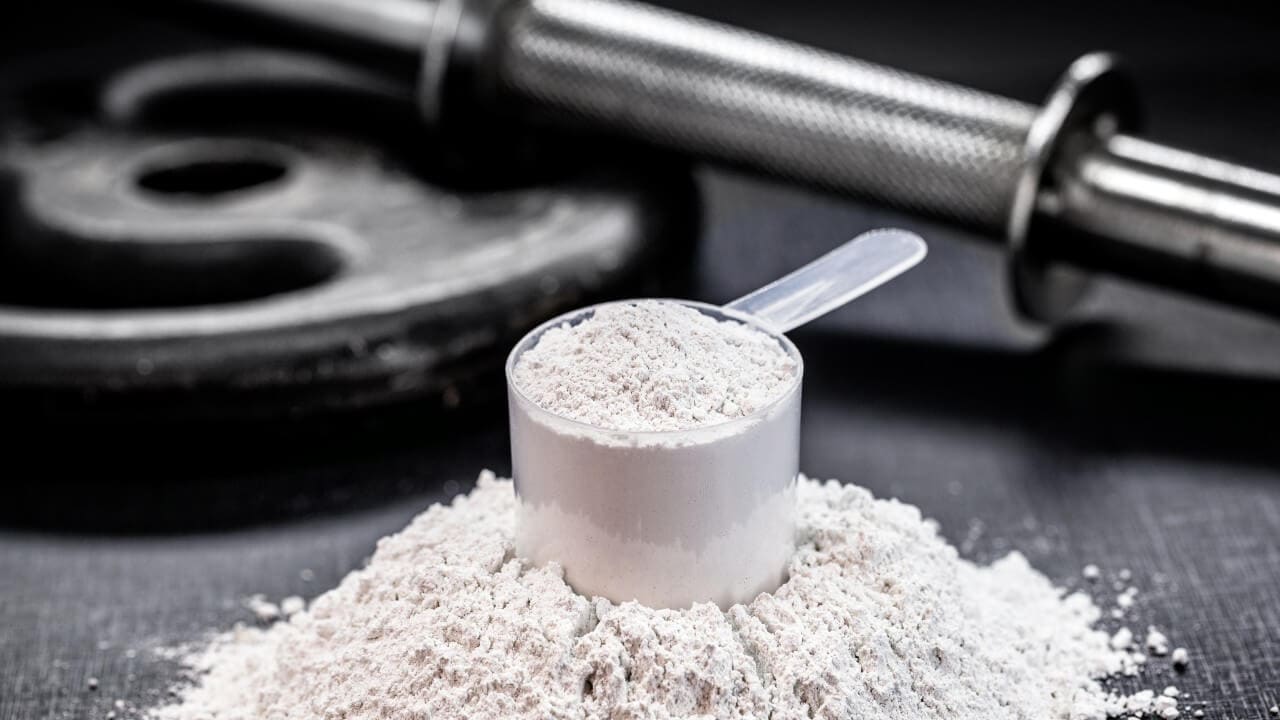
Best-evidenced supplement for maintaining muscle strength and mass; safe and inexpensive; may slightly increase scale weight (muscle hydration)
Whey protein (if meeting targets through food is difficult)
Strong
25 to 35 g per shake
Highest leucine per gram of protein; fast-absorbing; useful post-exercise
Vitamin D
Moderate
1,000 to 2,000 IU/day (or more if deficient)
Involved in muscle function; commonly deficient in adults; test and supplement if below 30 ng/mL
Omega-3 fatty acids (EPA/DHA)
Moderate
2 to 3 g EPA+DHA per day
Anti-inflammatory; some evidence for reducing muscle breakdown during restriction
Leucine supplement
Moderate (plant protein users)
2.5 g per meal
Useful if plant proteins are the primary source; helps compensate for lower leucine in plant sources
Real stories, coming soon
Real people, real results
We're putting together real stories from people who use ZavoFit's guidance in everyday life. Coming soon.
Questions, answered.
Do GLP-1 medications cause muscle loss?
They can, and this is a recognized concern. Studies on semaglutide and tirzepatide show that 25 to 40 percent of total weight lost comes from lean mass (muscle) rather than fat when protein intake is low and resistance exercise is absent. With intentional high protein intake and resistance training, this ratio improves significantly.
How much protein do I need to prevent muscle loss on semaglutide?
Target at least 1.4 to 1.6 grams of protein per kilogram of body weight per day. This is above the standard RDA because GLP-1 medications create a caloric deficit that — without adequate protein — forces the body to use muscle for energy. For a 75 kg person, that is 105 to 120 grams of protein per day.
Does exercise help prevent muscle loss on Ozempic?
Yes. Resistance exercise — even bodyweight movements or light resistance bands — is the most effective tool for signaling the body to preserve muscle during caloric restriction. Even two sessions per week significantly reduces the proportion of muscle lost versus fat. Aerobic exercise adds cardiovascular benefits but does not protect muscle as effectively as resistance training.
What is the best protein source on GLP-1 for muscle preservation?
Animal proteins with high leucine content are most effective: chicken, eggs, Greek yogurt, cottage cheese, and fish. Leucine is the amino acid that directly triggers muscle protein synthesis (MPS). Among plant sources, soy protein has the highest leucine content and is the most effective plant protein for muscle preservation.
Should I take creatine on GLP-1 to preserve muscle?
Creatine monohydrate is worth considering. It is the best-evidenced supplement for maintaining muscle strength and mass during caloric restriction and is safe at standard doses (3 to 5 grams per day). It does not require loading and is inexpensive. It may slightly increase scale weight by drawing water into muscle cells, which is normal and reflects improved hydration of muscle tissue.
Can I build muscle while on GLP-1?
Maintaining muscle is a more realistic goal than building it during active caloric restriction on GLP-1. However, people who were previously sedentary may see some initial muscle gains when starting resistance exercise alongside GLP-1 — a phenomenon called "newbie gains." For experienced exercisers, muscle maintenance with a small decline is the realistic goal.
How do I know if I am losing muscle instead of fat?
Body composition testing (DEXA scan, bioelectrical impedance, or caliper measurements) can track changes in lean mass versus fat mass. Indirectly: if strength is declining significantly, if you feel weaker than before despite the same or similar exercise, or if protein intake is below the targets above — muscle loss is likely contributing to scale changes.
After 50, the body becomes less efficient at absorbing certain nutrients, more vulnerable to muscle loss, and more sensitive to dietary quality. The changes are specific — and so are the fixes.
Poor gut health is rarely one thing. It is a pattern of overlapping signs — in digestion, energy, skin, and immunity — that point to the same underlying disruption.
Gut health improvement is not a switch you flip. It happens in layers — some changes measurable in 48 hours, others requiring months of consistent habits to fully take hold.