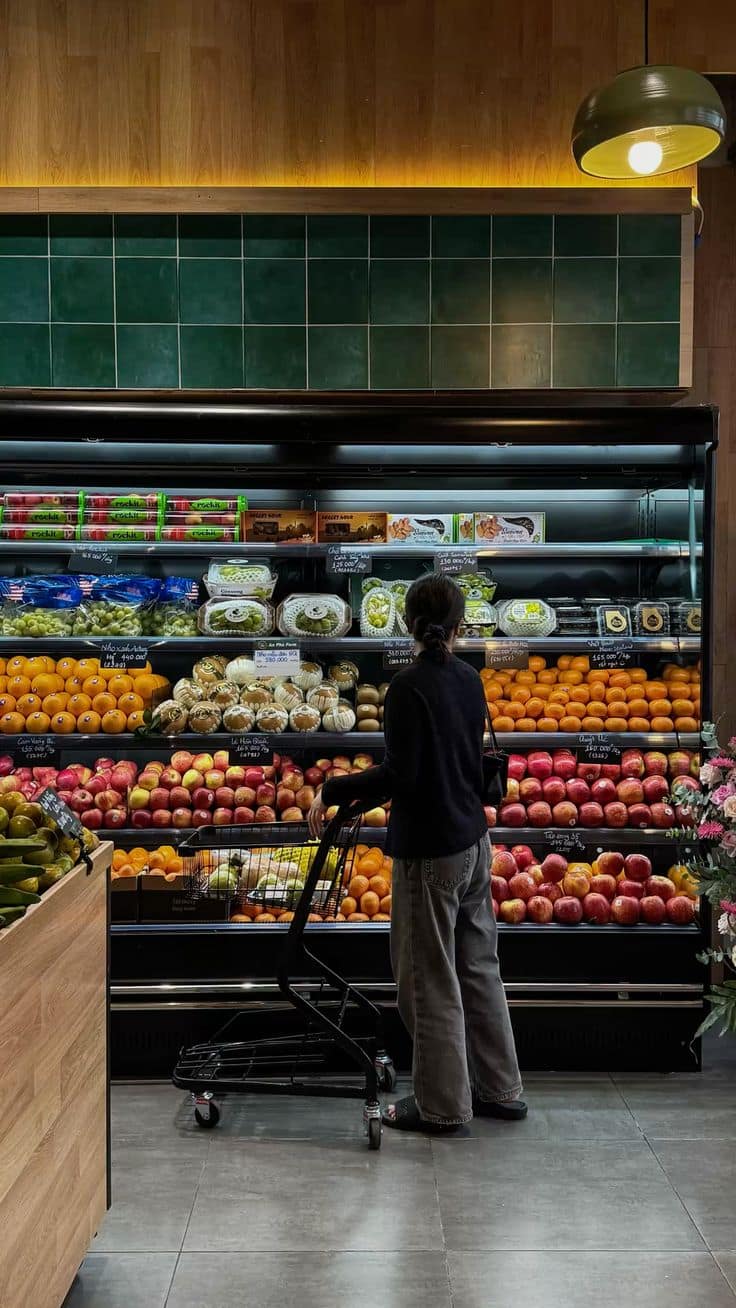

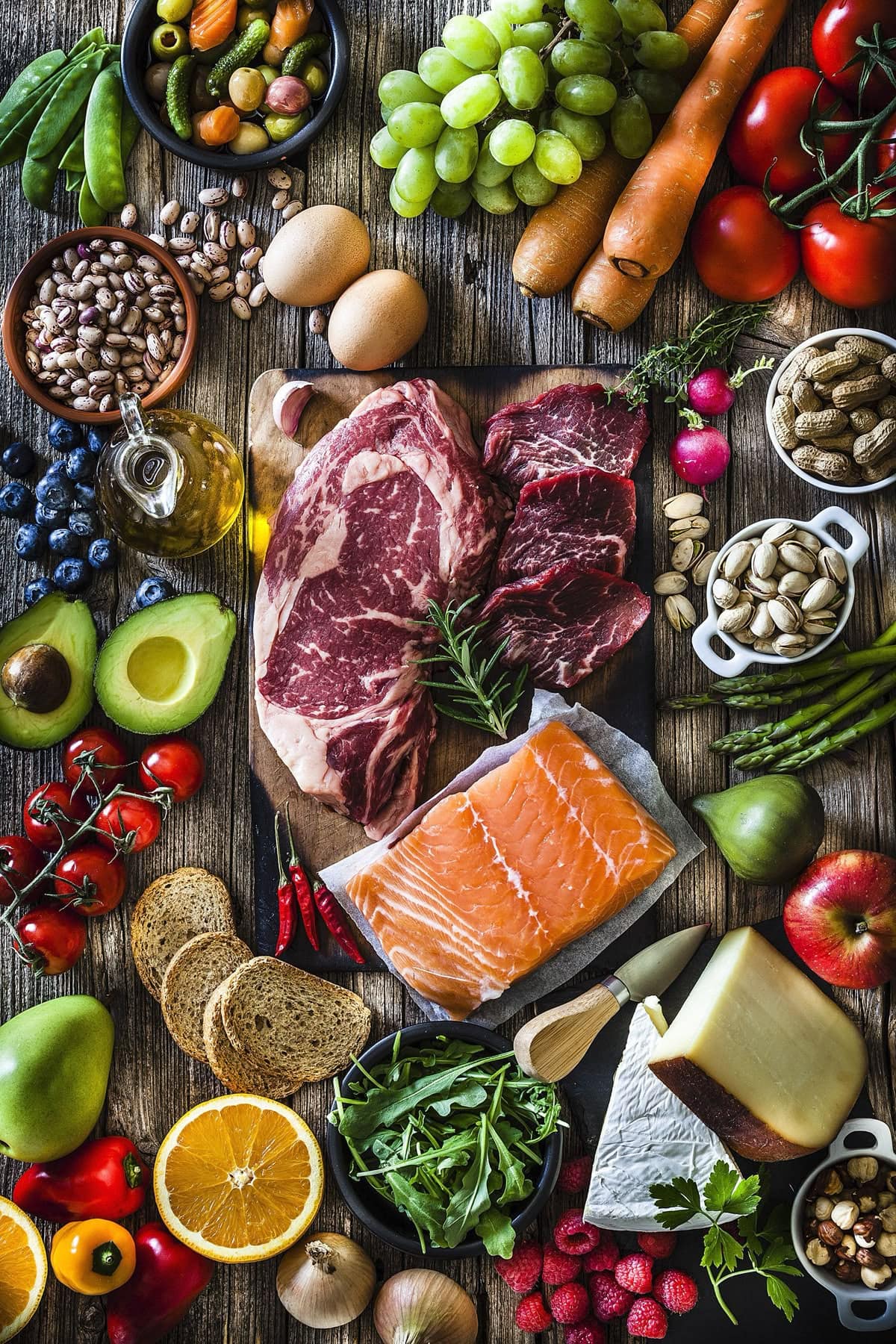
Fresh iron-rich foods at a market including red meat and dark leafy greens
Healthy Habits

How to Increase Ferritin Naturally: What Actually Works

Ferritin does not recover overnight. But with the right food choices and some simple timing adjustments, most people can meaningfully raise their iron stores through diet alone — if the deficiency is not yet severe.

Table of contents

Em resumo

  • Dietary changes take 8 to 12 weeks to raise ferritin; supplements work in 4 to 8 weeks
  • Heme iron from red meat, liver, and fish absorbs 15 to 35% — the most efficient dietary source
  • Vitamin C at the same meal can double or triple non-heme iron absorption from plants
  • Coffee, tea, calcium, and phytates reduce absorption — timing them away from meals matters
  • Supplements are necessary when ferritin is very low or anemia is present

Why Ferritin Recovery Takes Time

The body regulates iron absorption carefully. Unlike many nutrients, excess iron cannot be excreted efficiently — so the intestine absorbs only what it calculates is needed, adjusted by signals from the liver hormone hepcidin. This tightly controlled system means that flooding your diet with iron does not translate into proportionally faster ferritin recovery.

The realistic timeline for dietary change: ferritin begins rising within 4 to 8 weeks of consistent dietary improvement, reaches a meaningfully higher plateau in 8 to 12 weeks, and reaches optimal stores in 3 to 6 months — assuming the cause of depletion is also addressed. If you are losing iron faster than dietary change can compensate (heavy periods, GI bleeding, intense exercise), supplementation is needed.

The Foods That Raise Ferritin Most Effectively

Best foods for raising ferritin — ranked by practical impact
FoodIron typeIron content (100g)Absorption ratePractical frequency
Chicken liverHeme9 mg15–35%2–3× per week
Beef liverHeme6.5 mg15–35%1–2× per week (high vitamin A)
Oysters (cooked)Heme6.7 mg15–35%As available
Ground beef (80% lean)Heme2.6 mg15–35%3–4× per week
Sardines (canned)Heme2.9 mg15–35%Daily if desired
White beans + lemonNon-heme + vitamin C3.7 mg (enhanced)10–20%Daily
Lentils + bell pepperNon-heme + vitamin C3.3 mg (enhanced)10–20%Daily
Tofu stir-fry with broccoliNon-heme + vitamin C2.7 mg (enhanced)8–15%Daily

How to Use Vitamin C to Double Iron Absorption

Vitamin C (ascorbic acid) is the single most effective dietary enhancer of non-heme iron absorption. It works by reducing iron from the ferric (Fe3+) form, which is poorly absorbed, to the ferrous (Fe2+) form, which passes through the intestinal wall efficiently. The effect is dose-dependent and occurs at the same meal — not from vitamin C consumed at a different time.

Easy vitamin C pairings for iron-rich meals
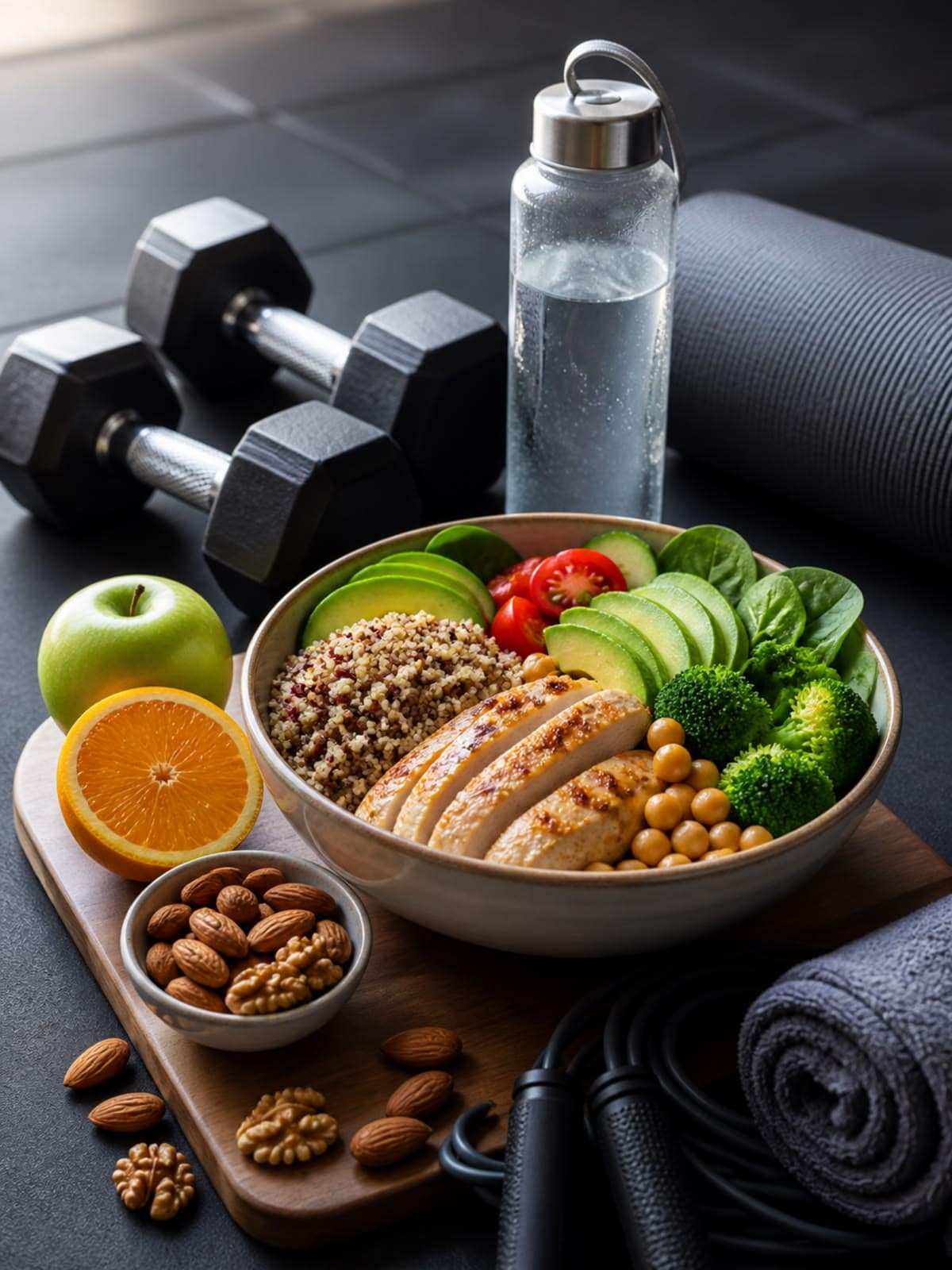
Squeeze lemon on legumes

Fresh lemon juice on lentils, beans, or chickpeas at serving time. One tablespoon provides enough vitamin C to meaningfully enhance absorption — and improves the flavor.
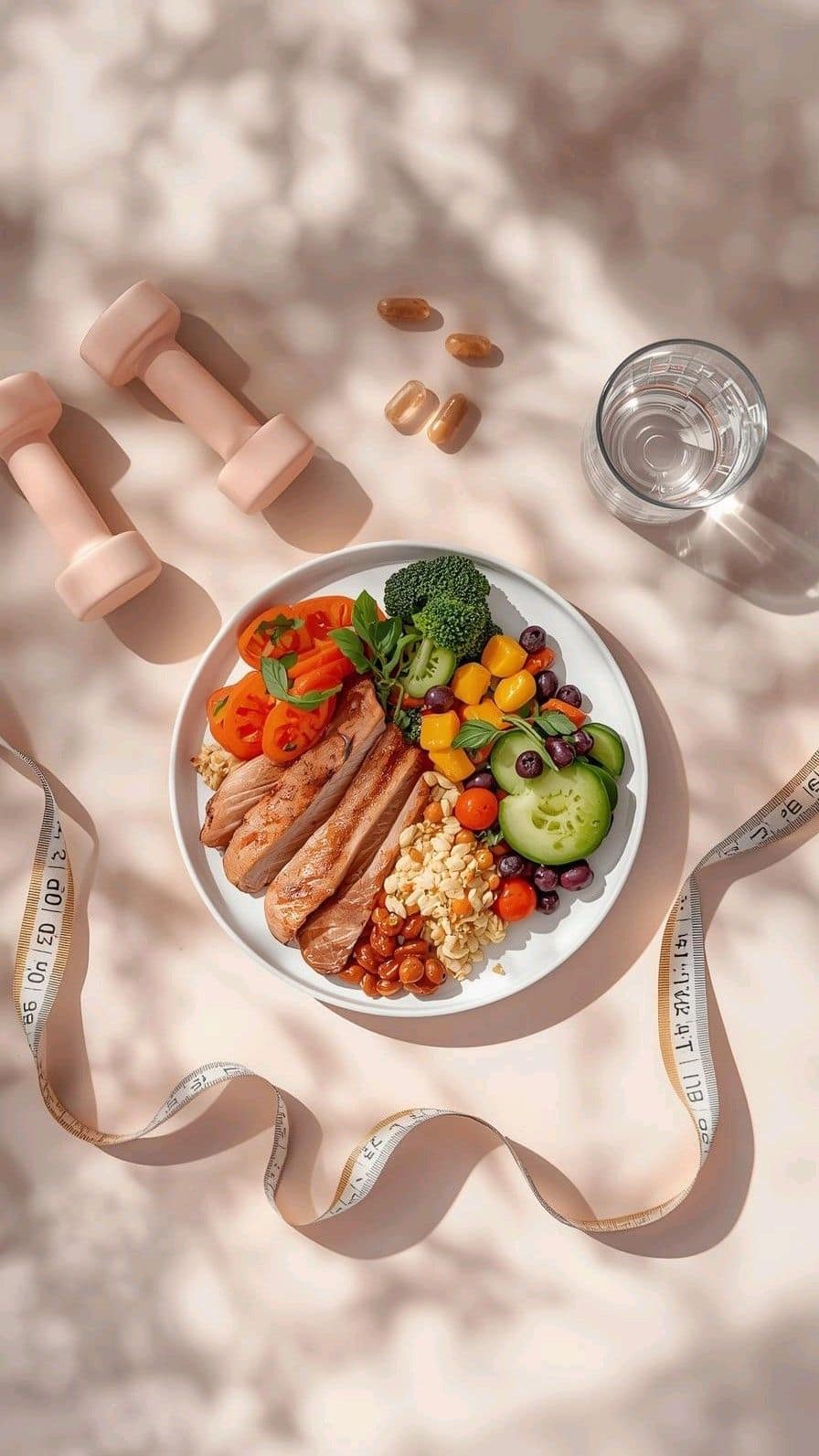
Add bell peppers to iron dishes

Bell peppers — especially red and yellow — are exceptionally high in vitamin C and work well in stir-fries, bean dishes, and grain bowls alongside iron-containing foods.

Tomato-based sauces with meat

Cooking acidic tomato sauce in cast iron releases iron into the sauce. Tomatoes also provide vitamin C that further enhances absorption of any iron in the dish.
Broccoli alongside meat

Broccoli provides meaningful vitamin C and pairs naturally with beef stir-fries and chicken. Even a small serving alongside a meat dish enhances non-heme iron absorption from the whole meal.


WatchWatch the ZavoFit videoReal prep videos are in production. See what is already filmed on the channel.See the channel

Recommended for your routine

ZavoFit Glass Meal Prep Containers (Set of 5)

Leak-proof glass containers that reheat evenly and do not hold onto smells or stains.

$34 · View product →

Habits That Block Ferritin Recovery

Adding iron-rich foods is only part of the equation. Many common habits actively reduce how much iron reaches the bloodstream, making dietary changes much less effective even when food choices are good.

Common habits that reduce iron absorption
HabitEffect on absorptionFix
Coffee with breakfast40–90% reduction in non-heme absorptionWait 45–60 min after eating
Tea with meals50–80% reductionSame — separate from iron meals
Calcium supplement with food40–60% reductionTake calcium 2+ hours from iron-rich meals
Dairy at every mealReduces non-heme iron competitivelyAlternate dairy-free meals for iron timing
Legumes without soakingPhytates reduce absorption 30–50%Soak 8–12h; discard soaking water
High-fiber supplement with mealsBinds iron in gutTake fiber supplement at a different time

When Diet Alone Is Not Enough

Dietary change is the right starting point for Stage 1 iron depletion (low ferritin, normal hemoglobin, mild or no symptoms). But it has limits. If you are losing iron faster than diet can replace it — through heavy menstruation, gastrointestinal bleeding, very high training volume, or significantly impaired absorption — the math does not work in favor of food alone.

If You Do Supplement: How to Get the Most from It

Iron supplement best practices

  • Take on an empty stomach (or with a small vitamin C source like orange juice)
  • Separate from coffee, tea, and dairy by at least 1 hour
  • Separate from calcium supplements by at least 2 hours
  • Take on alternate days if GI side effects are a problem — research shows alternate-day dosing maintains absorption efficiency
  • Bisglycinate chelate forms (iron bisglycinate) cause fewer GI side effects than ferrous sulfate
  • Retest ferritin 8 to 12 weeks after starting, then adjust as needed

Questions, answered.

How long does it take to increase ferritin naturally?

Through dietary changes alone, expect 8 to 12 weeks to see meaningful improvement in ferritin levels, and 3 to 6 months to reach optimal stores. Ferritin rises slowly because the body regulates iron absorption tightly. Supplements restore ferritin significantly faster — typically 4 to 8 weeks to see notable improvement.

What foods increase ferritin the fastest?

Heme iron foods raise ferritin most efficiently: beef liver, chicken liver, red meat, oysters, and sardines. Among plant sources, white beans, lentils, and tofu are best — especially when combined with vitamin C at the same meal.

Can vitamin C really help raise ferritin?

Yes, significantly. Vitamin C converts non-heme iron from plant foods into a more absorbable form (reducing Fe3+ to Fe2+). Adding a vitamin C source to a plant-based iron meal can double or triple absorption. This works for food vitamin C — not just supplements.

Does coffee lower ferritin?

Coffee does not lower existing ferritin, but it reduces how much iron you absorb from meals consumed at the same time. The polyphenols in coffee can reduce non-heme iron absorption by 40 to 90% when consumed together. Separating coffee from meals by 45 to 60 minutes protects absorption without eliminating coffee.

Should I take iron supplements or use diet only?

Diet is sufficient for Stage 1 iron depletion (low ferritin, normal hemoglobin). Stage 2 or 3 (iron-deficient erythropoiesis or anemia) typically requires supplementation because dietary intake cannot compensate fast enough. Always confirm with a ferritin test before supplementing.

Does cooking in cast iron help raise ferritin?

Cooking acidic foods in cast iron transfers a small but real amount of iron into food. A tomato-based sauce cooked in cast iron can contain 5 to 7 times more iron than if cooked in non-iron cookware. Not a primary strategy, but a practical one.

What is the best time to take iron supplements?

On an empty stomach, 30 minutes before eating, with water or vitamin C-rich juice. This maximizes absorption. If GI side effects are problematic, taking it with a small amount of food (not dairy, coffee, or high-fiber food) reduces discomfort at some cost to absorption.

How often should I test ferritin when trying to raise it?

Testing every 8 to 12 weeks while making dietary or supplementation changes gives enough time for meaningful change to appear. Testing too frequently — weekly, for example — does not provide useful information since ferritin changes slowly.

Can I raise ferritin without eating red meat?

Yes, though it takes more effort. Plant iron sources (legumes, tofu, fortified cereals) can raise ferritin when consistently paired with vitamin C and kept away from inhibitors like coffee, calcium, and phytate-rich foods. Vegetarians need roughly 1.8 times more dietary iron than meat eaters.

Does exercise affect ferritin levels?

Intense endurance exercise can temporarily lower ferritin through increased losses in sweat, gastrointestinal microbleeding, and foot-strike hemolysis in runners. People with low ferritin who train heavily may need dietary changes and potentially supplements to keep pace with losses.

Sources & references

Share this story

About the author

João Vitor , Founder & Editor

Writing about everyday health, nutrition, movement and better habits.

Nutrition basicsTrainingEveryday routine
View all articles

This article is educational and not a substitute for individual advice from a qualified health professional.

Keep reading

Get the weekly meal prep email

One email a week. Recipes, habits, no spam.