

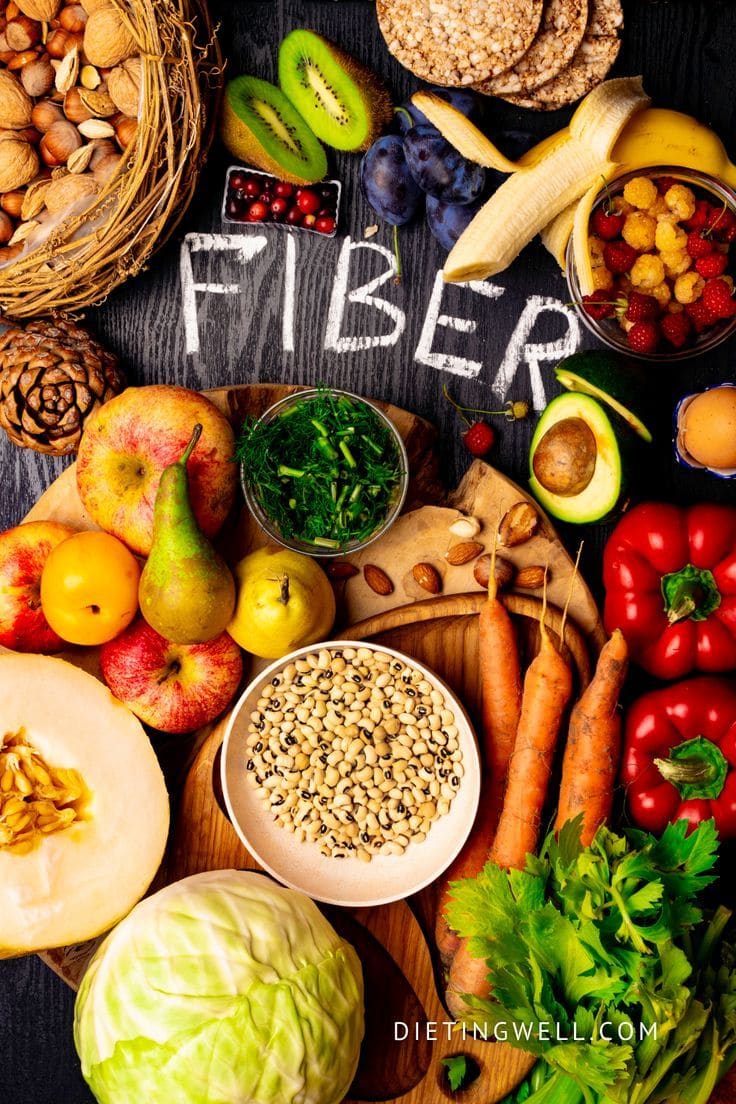
Variety of prebiotic-rich foods including garlic, onions, oats and legumes
Healthy Eating

Best Prebiotic Foods: Ranked by Evidence

Prebiotics are not a category of supplements — they are specific types of fiber and compounds found in ordinary foods. The question is which foods deliver the most, and how to eat them.

Table of contents

Em resumo

  • Prebiotics are specific fibers fermented by gut bacteria into short-chain fatty acids — the primary fuel for the gut lining
  • Garlic, Jerusalem artichoke, green banana, chicory, and oats are the highest-value sources
  • Resistant starch (in cooked-and-cooled potato, rice, and legumes) is one of the most underutilized prebiotics
  • Introduce one new prebiotic food per week to avoid gas — rapid increases cause significant temporary discomfort
  • Target 10 to 15 grams of prebiotic fiber daily — most people eat 2 to 4 grams

What Makes a Food Prebiotic — Not All Fiber Is the Same

A prebiotic food contains compounds that human digestive enzymes cannot break down but gut bacteria can selectively ferment. Not all fiber is prebiotic. Cellulose — the fiber in lettuce and most vegetables — passes through largely unfermented. Inulin, fructooligosaccharides (FOS), beta-glucan, and resistant starch are the fiber types with the strongest evidence for selectively feeding Lactobacillus and Bifidobacterium species.

The fermentation of prebiotic fiber produces short-chain fatty acids (SCFAs): butyrate, propionate, and acetate. Butyrate is the primary fuel for colonocytes (cells that line the colon) and has anti-inflammatory and anti-cancer effects in gut tissue. This is why the prebiotic fiber-SCFA pathway is one of the most clinically significant aspects of the gut microbiome.
Prebiotic Foods Ranked by Evidence and Practical Value

Best prebiotic foods — ranked by prebiotic fiber content, evidence strength, and practical accessibility
FoodPrebiotic typeContent per 100gEvidence strengthBest formPractical tip
Chicory rootInulin~41 g (dried)Strong — primary research ingredientCoffee substitute or supplementsWidely used in research; chicory-based coffee exists
Jerusalem artichokeInulin + FOS~16 to 20 g (raw)StrongRaw in salads, roastedPotent — start with small amounts; causes significant gas
Garlic (raw)Inulin + FOS~9 to 12 gStrongRaw (in dressing) or mildly cookedOne clove daily adds meaningful inulin; cooking reduces content
Leeks (raw)Inulin + FOS~6 to 9 gStrongRaw in salads or lightly cookedGood alternative to onion; similar prebiotic profile
Onion (raw)Inulin + FOS~4 to 8 gStrongRaw preferred; still significant cookedRed onion slightly higher than white onion
AsparagusInulin + FOS~2 to 3 gStrongLightly steamed or roastedVery accessible; pairs well with any meal
Oats (beta-glucan)Beta-glucan~4 g per cup cookedStrongOatmeal, overnight oatsAlso lowers LDL cholesterol; consistent daily consumption matters
Green banana / plantainResistant starch~6 to 10 g (underripe)Moderate-strongSmoothie, sliced; must be unripeContent drops dramatically as banana ripens and starch converts to sugar
Cooked-cooled potatoResistant starch~3 to 7 g (cooled)Moderate-strongCold potato salad, reheatedCooling after cooking significantly increases resistant starch content
Lentils (cooked)Resistant starch + FOS~3 to 5 gModerate-strongAny cooked preparationAlso high in iron and protein — strong multipurpose food
Apples (with skin)Pectin~0.5 to 2 g pectinModerateRaw with skinPectin selectively feeds Akkermansia muciniphila, a beneficial species
FlaxseedMucilage / soluble fiber~7 g per 30g servingModerateGround, added to foodGrind before eating; whole seeds pass undigested
WatchWatch the ZavoFit videoReal prep videos are in production. See what is already filmed on the channel.See the channel

Recommended for your routine

ZavoFit Glass Meal Prep Containers (Set of 5)

Leak-proof glass containers that reheat evenly and do not hold onto smells or stains.

$34 · View product →

Resistant Starch: The Most Underused Prebiotic

Resistant starch is starch that resists digestion in the small intestine and reaches the colon intact, where it is fermented by gut bacteria. It is one of the most effective prebiotics — producing high levels of butyrate — and is found in ordinary foods that most people eat regularly without knowing they are consuming a significant prebiotic.

Resistant starch content of common foods — raw, cooked, and cooled
FoodRaw / freshCooked (hot)Cooked and cooledNotes
White potatoHigh RS2Low (starch gelatinizes)3 to 7 g per 100gCooling crystallizes starch back into resistant form
White riceN/AVery low1.5 to 4 g per 100gRefrigerating and reheating increases RS significantly
PastaN/ALow to moderate2 to 5 g per 100gAl dente cooking produces more RS than soft cooking
Green bananaVery high (RS2)Decreases with ripeningN/ARS drops 6 to 10 g as banana ripens fully
LentilsHigh RS22 to 5 g per 100g3 to 6 g per 100gOne of the best hot-food RS sources
Oats (rolled)High RS20.5 to 2 g per 100gHigher when cooled (overnight oats)Overnight oats preserve more RS than hot cooked oats

How to Increase Prebiotic Intake Without GI Discomfort

Practical strategy for increasing prebiotic foods

  • Add ONE new prebiotic food per week — rapid increases cause significant and uncomfortable gas
  • Start with oats (gentlest on most guts) before moving to garlic, onion, and Jerusalem artichoke
  • Include a small amount of garlic or onion in cooking most days — even cooked versions provide meaningful inulin
  • Make overnight oats instead of hot oatmeal — refrigerating increases resistant starch content
  • Cool cooked potatoes before eating as potato salad — increases resistant starch from 1 g to 4 to 7 g per 100 g
  • Add half a green banana to smoothies weekly — unripe bananas are one of the richest RS sources
  • Use lentils as a weekly protein source — dual benefit of plant protein and prebiotic fiber
  • The discomfort during the first 2 to 4 weeks of increasing prebiotics is normal — bacteria are adapting, not a sign to stop

Questions, answered.

What are prebiotic foods?

Prebiotic foods contain specific types of fiber and compounds — primarily inulin, fructooligosaccharides (FOS), pectin, resistant starch, and beta-glucan — that cannot be digested by human enzymes but are selectively fermented by beneficial gut bacteria. This fermentation produces short-chain fatty acids (SCFAs) that feed the gut lining and support the immune system.

What is the best prebiotic food?

Chicory root is the richest source of inulin per gram (approximately 41 g per 100 g dry weight). In practical whole-food terms, garlic, Jerusalem artichoke, green banana, and raw onion are among the highest sources by proportion. Oats (beta-glucan) and cooked-then-cooled potato or rice (resistant starch) are the most practically accessible.

How much prebiotic fiber do I need per day?

Research studies typically show benefits at 5 to 20 grams of prebiotic fiber per day. Current average intake in Western diets is estimated at 2 to 4 grams. A practical target is 10 to 15 grams from diverse food sources — achievable with a bowl of oats, a serving of legumes, and some garlic or onion.

Do prebiotic foods cause gas?

Yes, especially when increasing intake rapidly. Gut bacteria ferment prebiotic fiber and produce gas — this is the same process that produces short-chain fatty acids. Introducing prebiotic foods gradually (one new source per week) allows the gut microbiome time to adapt. Discomfort typically resolves within 2 to 4 weeks.

What is the difference between prebiotics and probiotics?

Probiotics are live beneficial microorganisms (bacteria and yeasts) found in fermented foods and supplements. Prebiotics are the food that probiotics eat — specific fibers and compounds that selectively nourish beneficial bacteria already in the gut. Both work synergistically: probiotics without prebiotics are short-lived; prebiotics without diverse gut bacteria have less effect.

Are prebiotic supplements as good as whole foods?

Supplements (inulin, FOS, psyllium husk, GOS) are useful for people who struggle to get adequate prebiotic fiber from diet. However, whole prebiotic foods provide additional compounds — polyphenols, micronutrients, diverse fiber types — that supplements do not replicate. Food first is the general principle; supplements bridge specific gaps.

Do cooking and heating destroy prebiotics?

It depends on the type. Inulin and FOS in garlic, onion, and asparagus are partially reduced by cooking but not eliminated. Resistant starch in potatoes and pasta actually increases when cooked and then cooled — making cold potato salad and reheated rice more prebiotic than their freshly cooked versions. Beta-glucan in oats is heat-stable.

Sources & references

Share this story

About the author

ZavoFit Team , Editorial Team

Writing about everyday health, nutrition, movement and better habits.

Nutrition basicsTrainingEveryday routine
View all articles

Real stories, coming soon

Real people, real results

We're putting together real stories from people who use ZavoFit's guidance in everyday life. Coming soon.

This article is educational and not a substitute for individual advice from a qualified health professional.

Keep reading

Get the weekly meal prep email

One email a week. Recipes, habits, no spam.