What to Eat on Ozempic or Semaglutide: A Practical Nutrition Guide
When your appetite drops by 30 to 50 percent, what you eat matters more than how much. Every meal on semaglutide needs to work twice as hard for your nutritional needs.
01With reduced appetite on GLP-1, every meal must be nutrient-dense — no room for empty calories
02Protein is the non-negotiable priority: at least 1.2 to 1.6 g/kg body weight per day to prevent muscle loss
03High-fat foods, large portions, alcohol, and carbonated drinks are the most common nausea triggers
04Iron, B12, vitamin D, and zinc are the micronutrients most at risk with significant caloric restriction
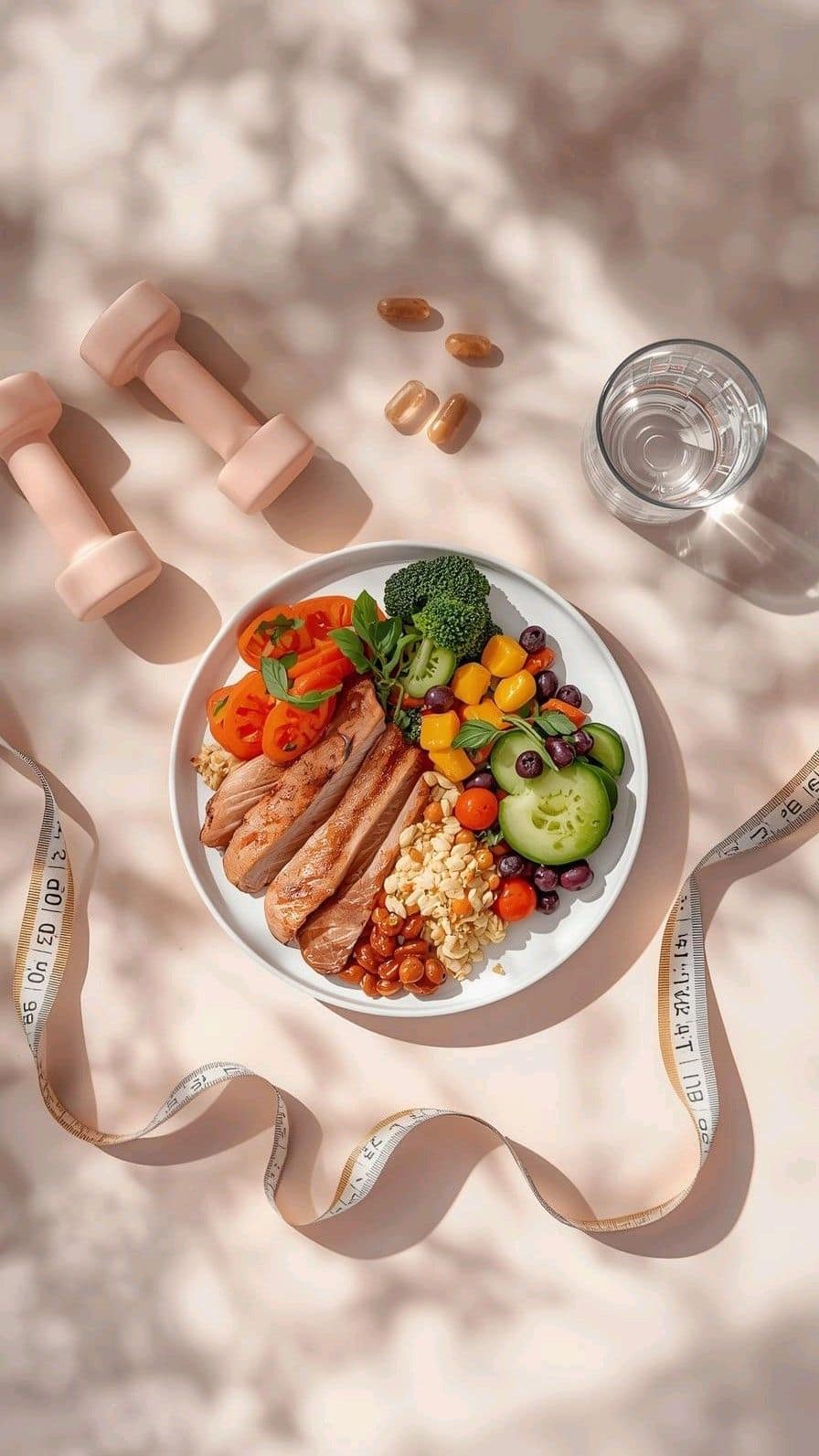
05The GLP-1 Plate Method: 50% protein, 25% vegetables, 25% complex carbs — at every small meal
Why Nutrition Matters More on GLP-1 Than Off It
GLP-1 receptor agonists reduce appetite by 30 to 50 percent in most users. For someone who was eating 2,000 calories per day, this often means 1,000 to 1,400 calories — sometimes less. The challenge is not just eating less; it is getting adequate protein, vitamins, and minerals within a dramatically smaller eating window.
When the volume of food drops significantly without a corresponding increase in nutritional quality, deficiencies develop quietly. The most common are protein (leading to muscle loss instead of fat loss), iron, vitamin B12, and vitamin D. These deficiencies are not inevitable — but they require intentional food choices.
The GLP-1 Plate Method: A Framework for Every Meal
The GLP-1 Plate Method is a simple structure designed for the reality of a significantly reduced appetite: small meals that deliver maximum nutritional return per calorie. At every meal — however small — the structure is the same.
The GLP-1 Plate Method — meal composition framework
Research on GLP-1 medications consistently shows that a significant portion of weight lost — up to 30 to 40 percent in some studies — comes from lean muscle mass rather than fat, particularly when protein intake is inadequate. Muscle loss slows metabolism, reduces functional strength, and makes weight regain after discontinuing medication significantly more likely.
Daily protein targets on GLP-1 by body weight
Body weight
Minimum (1.2 g/kg)
Target (1.4 g/kg)
Optimal 40+ (1.6 g/kg)
60 kg (132 lb)
72 g/day
84 g/day
96 g/day
70 kg (154 lb)
84 g/day
98 g/day
112 g/day
80 kg (176 lb)
96 g/day
112 g/day
128 g/day
90 kg (198 lb)
108 g/day
126 g/day
144 g/day
100 kg (220 lb)
120 g/day
140 g/day
160 g/day
Foods That Cause Nausea on GLP-1 — and What to Eat Instead
Common nausea triggers on GLP-1 and better alternatives
Avoid or limit
Why it causes nausea
Better alternative
Fried or very fatty foods
High fat slows gastric emptying further, compounding GLP-1 effect
Grilled, baked, or steamed versions; olive oil in small amounts
Smaller meals (half portion), eat slowly, stop before full
Very spicy foods
Irritates already-sensitive GI tract
Mild seasoning; add spice gradually if tolerated
Carbonated drinks
Gas causes bloating and nausea
Still water, herbal teas, or sparkling water in tiny amounts
Alcohol
Worsens GI side effects; nutritionally empty
Sparkling water with citrus; limit to very small amounts if consumed
High-sugar foods and desserts
Blood sugar spike followed by crash; nausea-inducing for some
Fresh fruit, Greek yogurt with berries, small amounts of dark chocolate
Very hot foods
Temperature sensitivity often increases with GLP-1
Room temperature or slightly cooled foods tend to be better tolerated
Micronutrients to Monitor on GLP-1
The four nutrients most at risk during GLP-1 caloric restriction
01
Iron and ferritin
Significantly reduced food volume means lower dietary iron intake. Women on GLP-1 who already have borderline ferritin are at highest risk. Request a serum ferritin test every 6 months. Include red meat, liver, legumes with vitamin C weekly.
02
Vitamin B12
B12 is found primarily in animal products. If reduced appetite leads to cutting back on meat, eggs, and dairy, B12 can decline silently. Fatigue, tingling, and cognitive changes may appear months later. B12 supplementation is often a good precaution.
03
Vitamin D
Very few foods are naturally high in vitamin D. With lower food volume and potentially lower fortified food intake, deficiency risk rises. Test annually; supplement if below 30 ng/mL (75 nmol/L).
04
Calcium
If dairy intake drops with appetite reduction, calcium intake falls. Long-term calcium insufficiency affects bone density — particularly relevant for postmenopausal women. Aim for 2 to 3 dairy servings or equivalent daily, or supplement.
Sample Daily Meal Plan on Semaglutide
Sample high-protein, nutrient-dense daily plan for GLP-1 users
Meal
What to eat
Protein
Key nutrients delivered
Breakfast
3-egg omelet with spinach + half cup Greek yogurt
32 g
Iron, B12, calcium, folate
Mid-morning (if hungry)
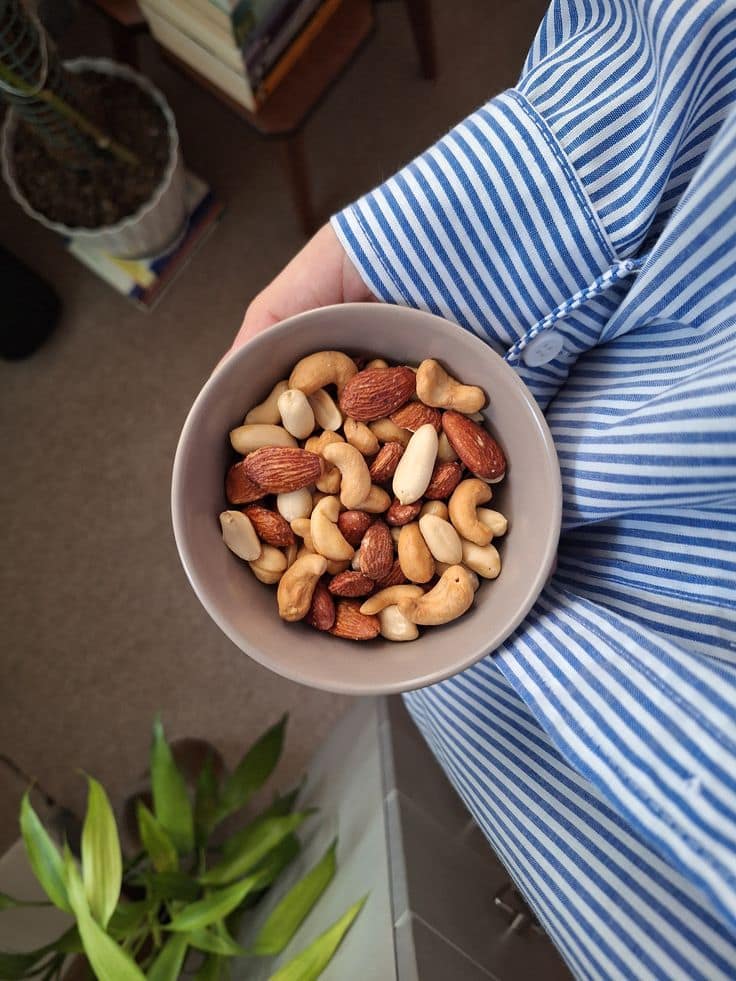
Handful of almonds + 1 kiwi
6 g
Vitamin C, magnesium, healthy fats
Lunch
120 g canned salmon + large salad + half cup lentils + lemon
38 g
Omega-3, iron, fiber, vitamin C
Afternoon (if hungry)
Cottage cheese 150 g + berries
18 g
Calcium, B12, antioxidants
Dinner
120 g chicken breast + roasted broccoli + small sweet potato
35 g
B vitamins, vitamin C, fiber, potassium
Real stories, coming soon
Real people, real results
We're putting together real stories from people who use ZavoFit's guidance in everyday life. Coming soon.
Questions, answered.
What should I eat while on semaglutide?
Prioritize protein at every meal (aim for 25 to 35 grams per meal), non-starchy vegetables for micronutrients and fiber, and small amounts of complex carbohydrates. The reduced appetite from GLP-1 medication means every meal must be nutritionally dense — there is no room for empty calories.
What foods cause nausea on Ozempic?
The most common nausea triggers are high-fat meals (fried foods, fatty meats, heavy sauces), very spicy foods, large portion sizes regardless of food type, alcohol, and carbonated drinks. High-fat foods slow gastric emptying — which is already slowed by GLP-1 — creating compounding nausea.
How much protein do I need on semaglutide?
At least 1.2 grams per kilogram of body weight per day — and ideally 1.4 to 1.6 g/kg if you are over 40 or physically active. This is critical because semaglutide reduces total calorie intake significantly, and without adequate protein, a meaningful portion of weight lost comes from muscle rather than fat.
Can I eat carbs on Ozempic?
Yes. Carbohydrates are not the enemy on GLP-1 medications. Choose complex, fiber-rich carbohydrates — oats, sweet potato, legumes, whole grains — over refined carbs and sugars. The goal is nutrient density within a smaller calorie window.
What nutrients am I most at risk of lacking on GLP-1?
Iron, B12, calcium, vitamin D, folate, and zinc are the most common deficiencies that emerge with significant caloric restriction on GLP-1. This happens because the absolute volume of food decreases, reducing total micronutrient intake even with good food choices.
Should I take a multivitamin on semaglutide?
A high-quality multivitamin is a reasonable insurance policy during significant caloric restriction. Iron, B12, and vitamin D are the three most important to monitor — ideally through blood tests every 3 to 6 months while on the medication.
How do I manage nausea when eating on Ozempic?
Eat smaller portions, more slowly. Avoid lying down after eating. Choose bland, protein-rich foods during nausea episodes (eggs, chicken, Greek yogurt). Avoid high-fat foods. Eat at consistent times. Cold foods and room-temperature foods are often better tolerated than hot or heavily spiced dishes.
Is alcohol safe on Ozempic?
Alcohol should be minimized on GLP-1 medications. GLP-1 receptors are present in the brain's reward pathway and semaglutide may alter alcohol response and tolerance. Alcohol is also nutritionally empty, competes with protein-rich choices in a reduced-appetite window, and can worsen GI side effects.
GLP-1 is released naturally in your gut every time you eat. The type and combination of food dramatically affects how much is released — and how long it keeps you full.
Prebiotics are not a category of supplements — they are specific types of fiber and compounds found in ordinary foods. The question is which foods deliver the most, and how to eat them.
Pumpkin seeds, spinach, black beans, and dark chocolate all rank among the best food sources of magnesium. Learn exactly how much each food provides and how to eat more of it daily.