Blood Sugar Management: The Diet Strategy That Actually Works
Blood sugar dysregulation affects 1 in 3 American adults — most without knowing it. The dietary strategies that consistently lower fasting glucose and HbA1c are specific, actionable, and supported by dozens of controlled trials. This guide covers what actually works.
011 in 3 American adults has pre-diabetes — 80% don't know it because fasting glucose alone misses it
02Protein-first breakfast is the highest-impact single dietary change for all-day glucose stability
03Food order at any meal matters: vegetables → protein → carbohydrates reduces glucose spike by 30 to 40%
04Fiber (25 to 38g/day) is the strongest dietary predictor of HbA1c improvement in observational studies
05Post-meal walking for 10 to 30 minutes reduces glucose spike by 20 to 40% — highest return-on-time intervention
Why Blood Sugar Management Matters — Even Without a Diabetes Diagnosis
Most people think of blood sugar management as a diabetes problem. It is not. Insulin resistance — the state where cells respond poorly to insulin, causing the pancreas to produce more — affects an estimated 40 percent of American adults and is the underlying driver of type 2 diabetes, cardiovascular disease, PCOS, non-alcoholic fatty liver disease, and accelerated cognitive decline. It typically precedes a diabetes diagnosis by 10 to 15 years. The dietary strategies that reverse insulin resistance work best before the diagnosis — not after.
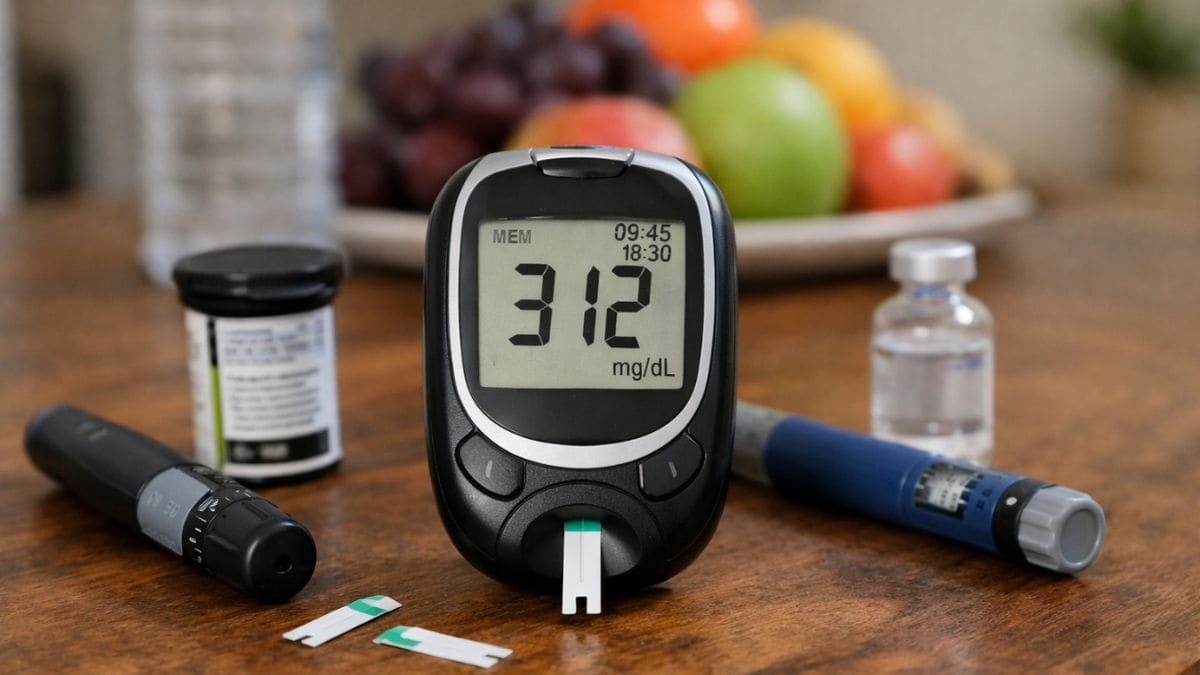
Blood glucose reference values and what they mean
Measurement
Optimal
Normal
Pre-diabetes
Diabetes
Fasting blood glucose
70 to 85 mg/dL
70 to 99 mg/dL
100 to 125 mg/dL
≥126 mg/dL (confirmed)
Post-meal glucose (2h)
Below 120 mg/dL
Below 140 mg/dL
140 to 199 mg/dL
≥200 mg/dL
HbA1c (3-month average)
Below 5.4%
Below 5.7%
5.7 to 6.4%
≥6.5%
Fasting insulin
Below 8 μIU/mL
Below 12 μIU/mL
12 to 25 μIU/mL (high-normal)
Often elevated even with normal glucose
HOMA-IR (insulin resistance index)
Below 1.5
Below 2.5
2.5 to 5.0
Above 5.0
The Protein-First Strategy: The Highest-Impact Single Change
Of all dietary manipulations studied for blood sugar, the composition of the first meal of the day has the most disproportionate effect on all-day glucose stability. A 2023 controlled trial found that participants who ate a high-protein, low-carbohydrate breakfast had 40 percent lower post-meal glucose spikes and 25 percent lower average glucose over 24 hours compared to those who ate a carbohydrate-dominant breakfast — with the same total daily calories.
Breakfast composition and blood sugar — evidence from controlled trials
Breakfast type
Average post-meal glucose spike
Effect on all-day glucose
Example
High-protein, low-carb (30g+ protein, <20g carbs)
Minimal — 20 to 30% lower than typical
Stabilizes glucose for 4 to 6 hours; reduces afternoon spike
Food Order: The 30-Second Change That Reduces Glucose Spikes by 30 to 40%
Multiple controlled trials from Weill Cornell Medicine have demonstrated that eating food in a specific order at the same meal dramatically reduces the post-meal glucose peak without changing what you eat or how much. The mechanism: fiber from vegetables slows gastric emptying, and protein triggers early satiety signals — so by the time carbohydrates are consumed, the rate of glucose absorption into the bloodstream is significantly blunted.
The evidence-based food order at every meal
Step 1: Eat vegetables first (10 to 15 minutes if possible, or just first bites)
Step 2: Eat protein and fat next (chicken, fish, eggs, legumes, cheese)
Step 3: Eat carbohydrates last (rice, bread, pasta, root vegetables)
This order applies to all meals — not just dinner
Even partial compliance (eating some vegetables before carbs) produces measurable benefit
Wine or vinegar before or during carbs also reduces spike (acetic acid mechanism)
Fiber: The Most Overlooked Blood Sugar Tool
Fiber types and blood sugar impact — mechanisms and best food sources
Fiber type
Blood sugar mechanism
HbA1c effect
Best sources
Soluble fiber (beta-glucan)
Forms gel in gut that slows glucose absorption; feeds GLP-1-producing bacteria
Up to 0.5% HbA1c reduction in RCTs
Oats, barley, psyllium husk, legumes, apples
Resistant starch
Bypasses small intestine; fermented by bacteria to butyrate that improves insulin sensitivity
Meaningful improvement in insulin response
Cooked-and-cooled rice/pasta/potatoes, green bananas, legumes
Pectin (soluble)
Slows gastric emptying; reduces glucose peak
Modest improvement
Apples, pears, citrus peel, carrots
Inulin/FOS (prebiotic)
Feeds Bifidobacterium that improves GLP-1 signaling
Whole wheat, vegetables, nuts — important for regularity
How to Build a Blood-Sugar-Friendly Meal: The Practical Framework
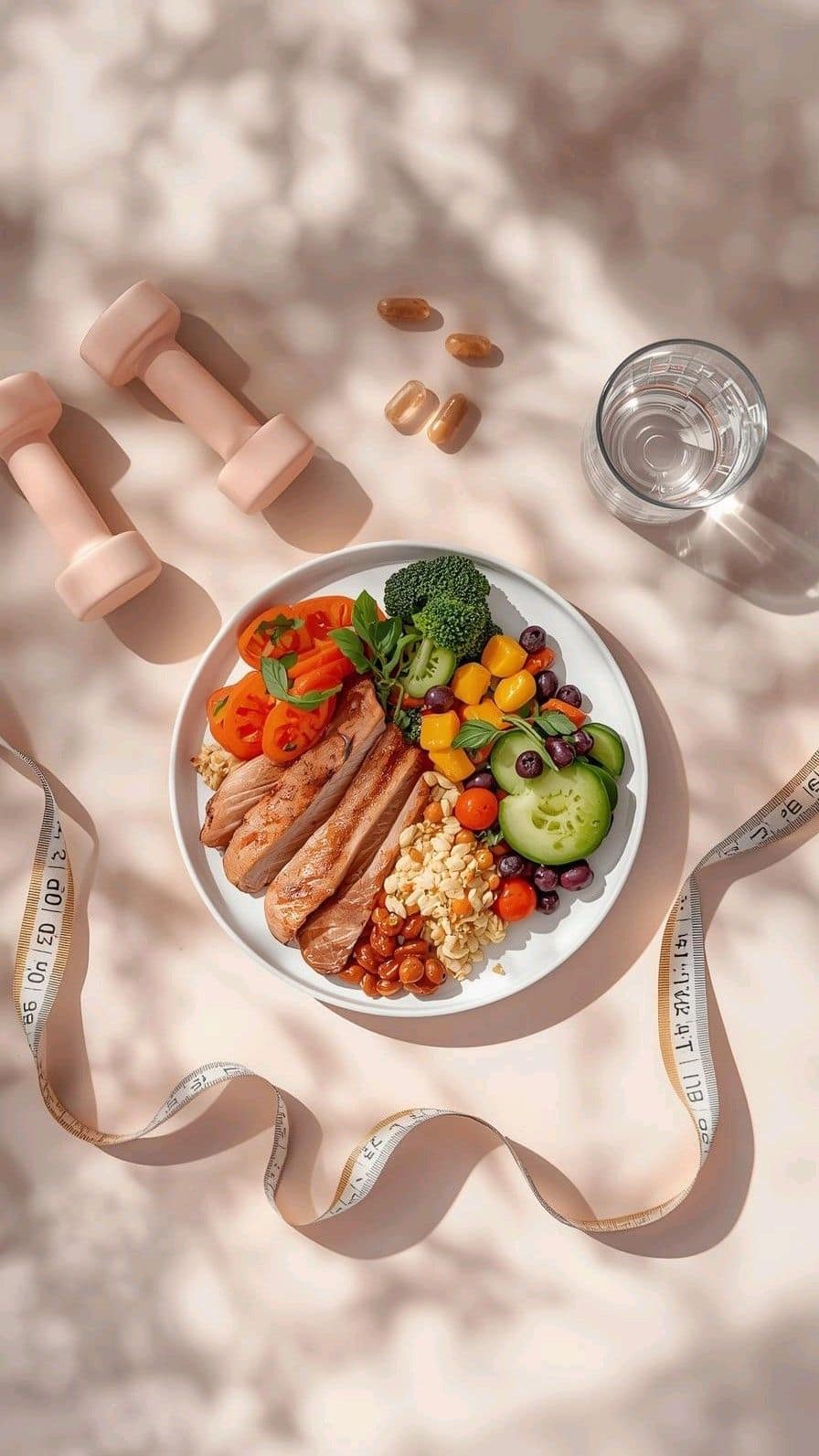
The blood sugar plate — four components every main meal should have
01
50% non-starchy vegetables
Leafy greens, broccoli, cauliflower, zucchini, bell peppers, cucumber, tomato, asparagus. These provide fiber without meaningfully raising blood glucose. They also create physical volume in the stomach that slows gastric emptying.
02
25% protein (30 to 40g per meal)
Chicken, fish, eggs, legumes, tofu, Greek yogurt, cottage cheese. Protein triggers glucagon-like peptide 1 (GLP-1) and peptide YY release — both reduce appetite and slow gastric emptying. Adequate protein also prevents reactive hypoglycemia after meals.
03
25% complex carbohydrates (eaten last)
Legumes, sweet potato, brown rice, quinoa, oats, whole grain bread. Choosing lower-glycemic carbs and eating them after vegetables and protein dramatically reduces the glucose impact vs. eating them first or as most of the meal.
04
Fat as a condiment — slows absorption
Olive oil, avocado, nuts, seeds. Fat further slows gastric emptying and blunts glucose rise. A drizzle of olive oil on vegetables and grains, or avocado with any carb-containing meal, measurably reduces the glucose peak.
Supplements With Real Evidence for Blood Sugar Management
Supplements ranked by strength of evidence for blood sugar management
Supplement
Evidence strength
Studied dose
Effect
Important notes
Berberine HCl
STRONG — multiple RCTs
500mg 3x daily with meals
Reduces fasting glucose 15 to 25 mg/dL; HbA1c reduction of 0.7 to 1.4% in some studies
Not a medication substitute; drug interactions possible (statins, cyclosporine); GI side effects common initially
Magnesium (glycinate/citrate)
STRONG for deficiency correction
300 to 400 mg/day
Corrects magnesium deficiency that impairs insulin signaling; reduces fasting glucose in deficient individuals
Only meaningful if magnesium is low — very common in adults with insulin resistance
Chromium picolinate
MODERATE
200 to 1,000 mcg/day
Modest reduction in fasting glucose and HbA1c in insulin-resistant individuals
Effect size is small; best evidence is in chromium-deficient populations
Alpha-lipoic acid (ALA)
MODERATE
600 to 1,200 mg/day
Reduces insulin resistance markers; also reduces oxidative stress (relevant for diabetic neuropathy)
Strong evidence for neuropathy specifically; modest direct glucose effect
Inositol (myo-inositol)
MODERATE — especially PCOS
2 to 4g/day
Improves insulin sensitivity particularly in PCOS; reduces fasting insulin
Best evidence in women with PCOS or metabolic syndrome
Cinnamon (Ceylon variety)
WEAK to MODERATE
1 to 6g/day
Small reductions in fasting glucose in some studies; effect inconsistent
Must be Ceylon cinnamon — Cassia contains coumarin (liver-toxic at high doses)
Real stories, coming soon
Real people, real results
We're putting together real stories from people who use ZavoFit's guidance in everyday life. Coming soon.
Questions, answered.
What is the fastest way to lower blood sugar through diet?
The fastest dietary change with documented blood sugar impact is eliminating refined carbohydrates and added sugar from your first meal of the day. Research consistently shows that breakfast composition has the largest effect on the glucose curve for the entire day. Replacing a carbohydrate-heavy breakfast with a protein-first meal (30 to 40g protein) reduces post-meal glucose spikes by 20 to 30 percent in people with insulin resistance.
Does eating order actually affect blood sugar?
Yes, significantly. Multiple controlled trials show that eating vegetables first, then protein, then carbohydrates at the same meal reduces the post-meal glucose peak by 30 to 40 percent compared to eating carbohydrates first. This works because fiber and protein slow gastric emptying, reducing the rate at which glucose enters the bloodstream. The total carbohydrate amount in the meal is the same — only the order changes.
Is a low-carb diet necessary to manage blood sugar?
Not necessarily. A Mediterranean-style diet (not low-carb) has robust evidence for improving HbA1c comparable to low-carb diets in many studies. The key factors are: food quality (whole vs. ultra-processed), fiber content (aiming for 25 to 38g daily), protein adequacy, and meal timing. Very low-carb and ketogenic diets show faster short-term glucose reduction but similar 12-month outcomes compared to well-structured higher-carb diets with Mediterranean principles.
How much does exercise affect blood sugar independently of diet?
Significantly. A 10 to 30 minute walk after a meal reduces post-meal glucose by 20 to 40 percent in multiple studies. Resistance training improves insulin sensitivity at the muscle level — muscles take up glucose without requiring insulin during and for 24 to 48 hours after exercise. The combination of diet + resistance training + post-meal walking produces the best blood sugar outcomes, greater than any single intervention alone.
What supplements have real evidence for blood sugar management?
The supplements with the most consistent evidence: berberine (500mg 3x daily — multiple RCTs showing HbA1c reduction comparable to metformin in pre-diabetics); magnesium (deficiency is extremely common and impairs insulin signaling); chromium picolinate (modest but consistent improvement in fasting glucose in deficient individuals); and alpha-lipoic acid (reduces insulin resistance and oxidative stress). None replace medication for diagnosed diabetes — these are adjuncts to diet and lifestyle.
What blood sugar levels should I be aiming for?
Optimal fasting blood glucose: 70 to 85 mg/dL (3.9 to 4.7 mmol/L). Normal fasting range: 70 to 99 mg/dL. Pre-diabetes: 100 to 125 mg/dL. Diabetes: 126 mg/dL or above (confirmed on two tests). Post-meal (2 hours after eating): below 120 mg/dL is optimal; below 140 mg/dL is normal. HbA1c optimal: below 5.4%. HbA1c normal: below 5.7%. Pre-diabetes: 5.7 to 6.4%.
When your appetite drops by 30 to 50 percent, what you eat matters more than how much. Every meal on semaglutide needs to work twice as hard for your nutritional needs.
GLP-1 is released naturally in your gut every time you eat. The type and combination of food dramatically affects how much is released — and how long it keeps you full.
Prebiotics are not a category of supplements — they are specific types of fiber and compounds found in ordinary foods. The question is which foods deliver the most, and how to eat them.